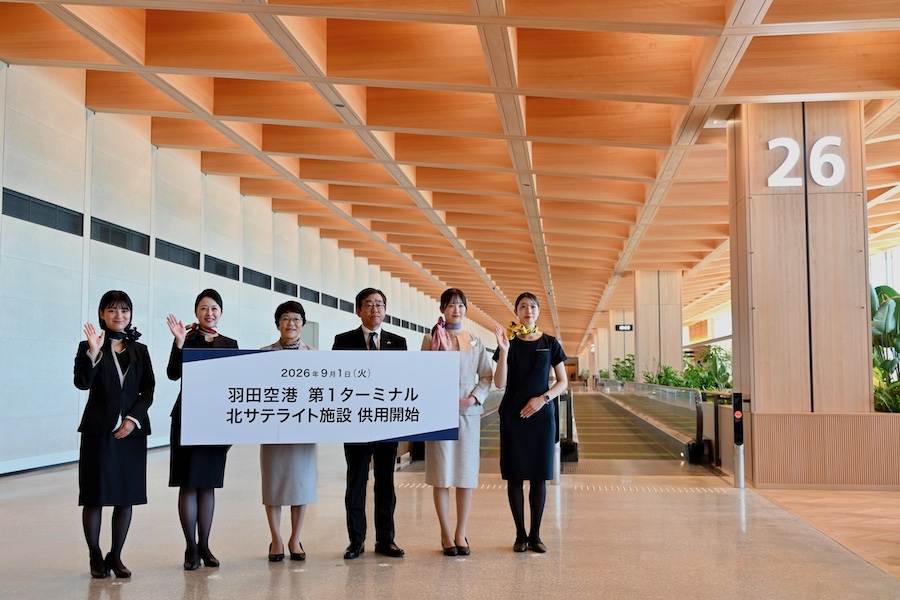
Japan Airport Terminal Co., Ltd., the operator of Haneda Airport, gave the media a preview on August 25 of the North Satellite facility at Terminal 1, which will enter service on September 1. This marks the first major expansion of Terminal 1 since it opened in September 1993.
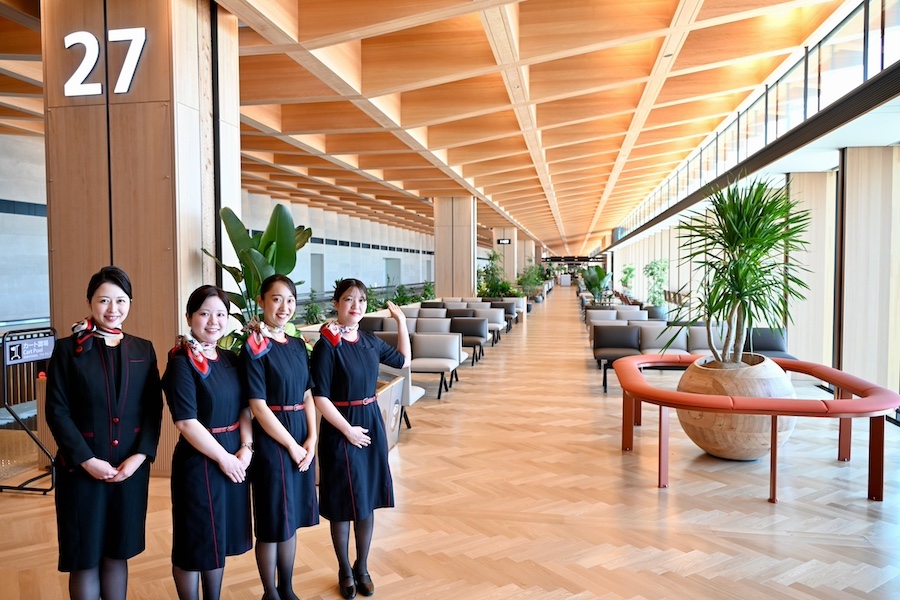
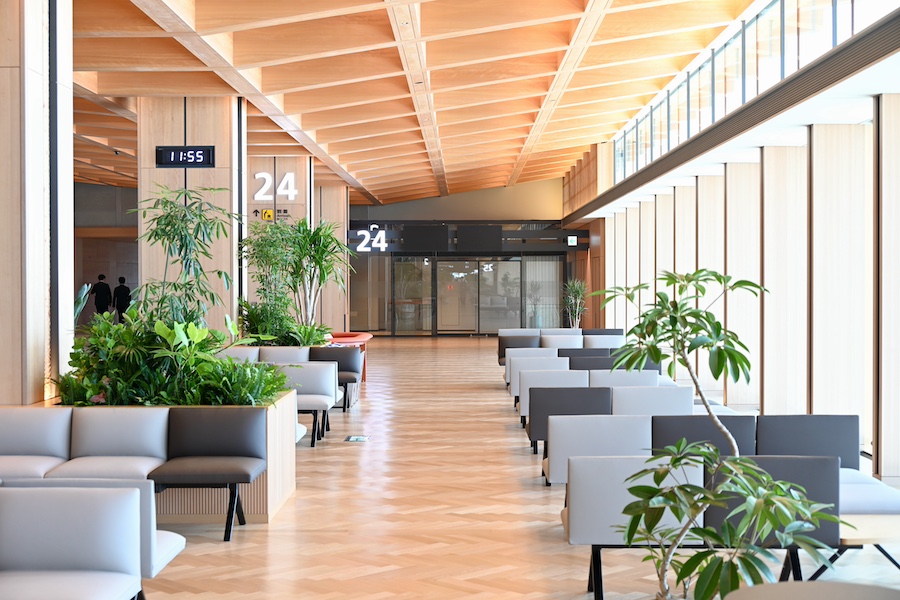
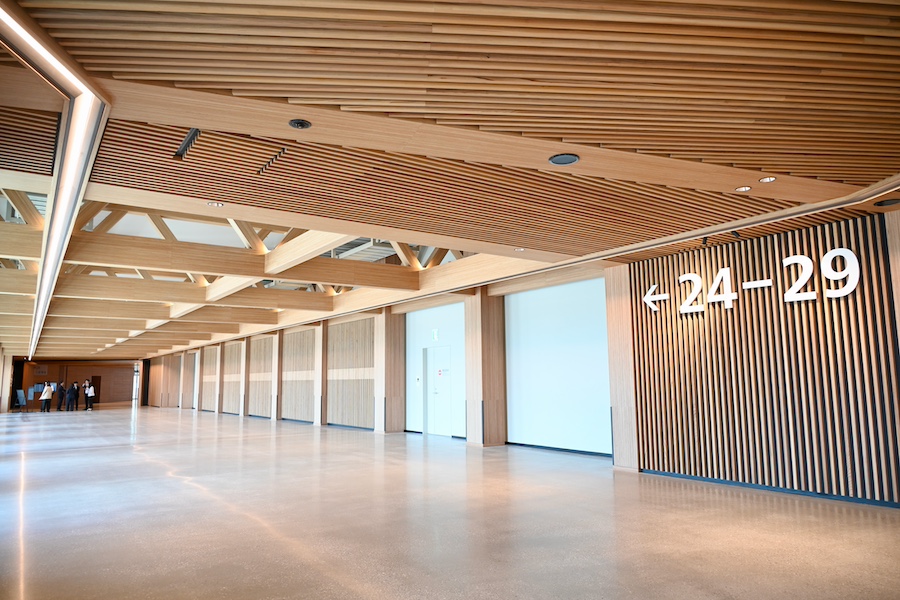
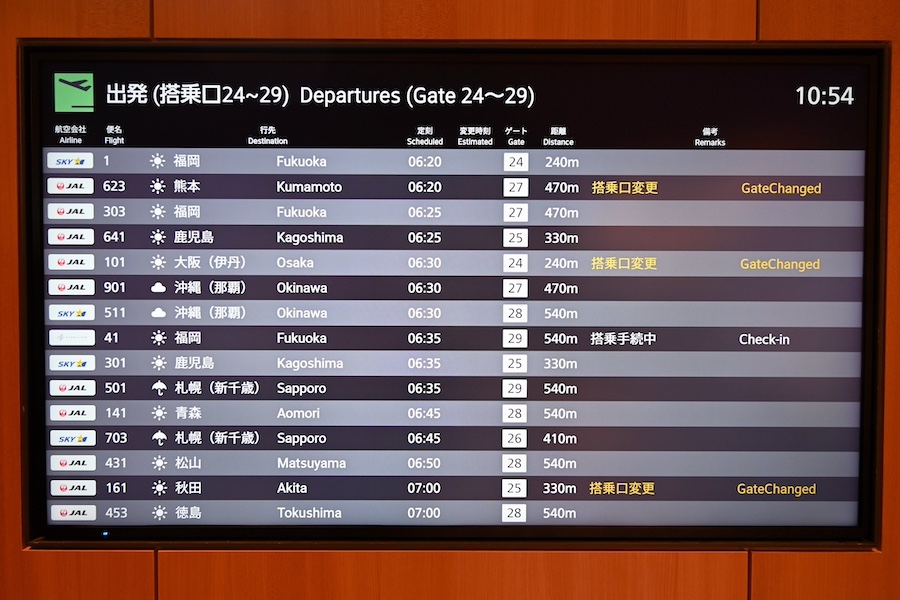
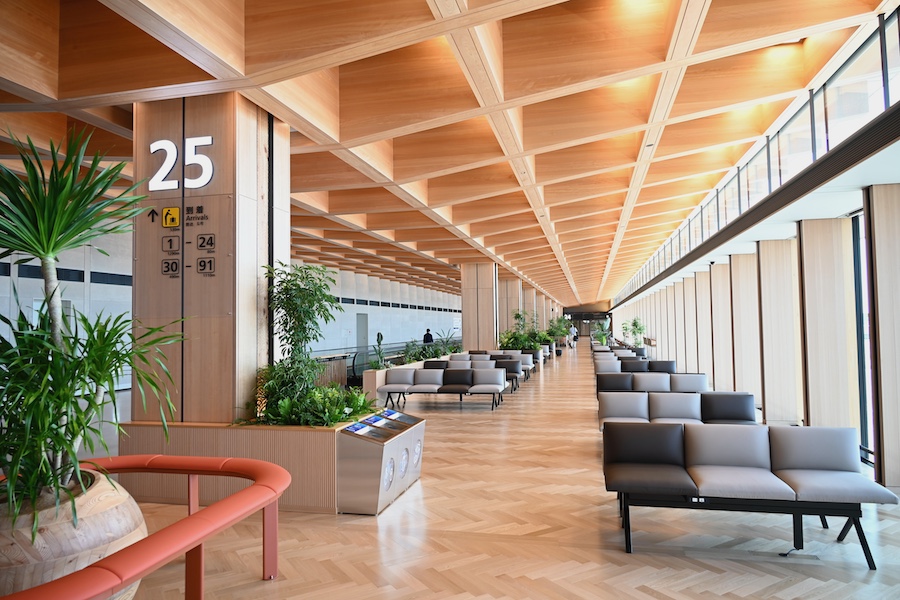
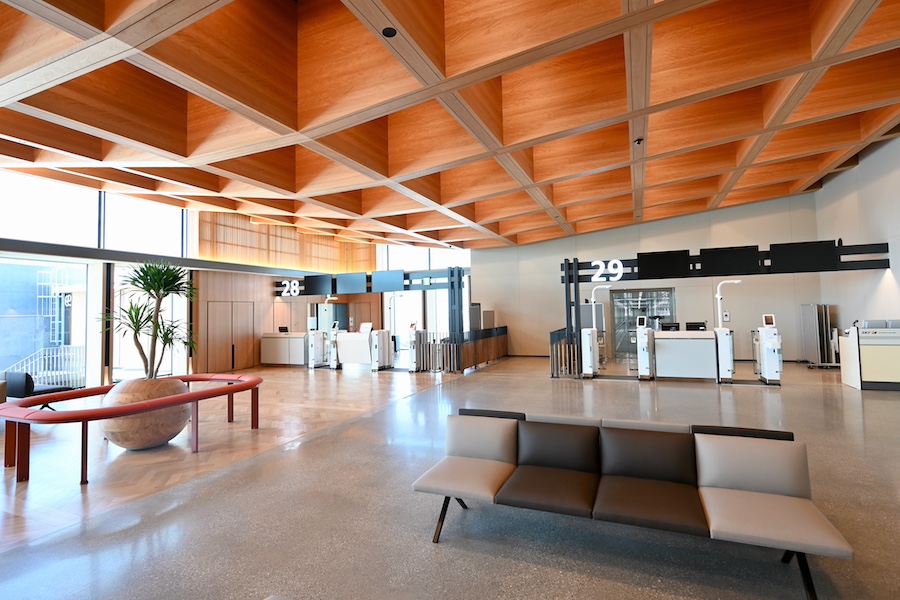
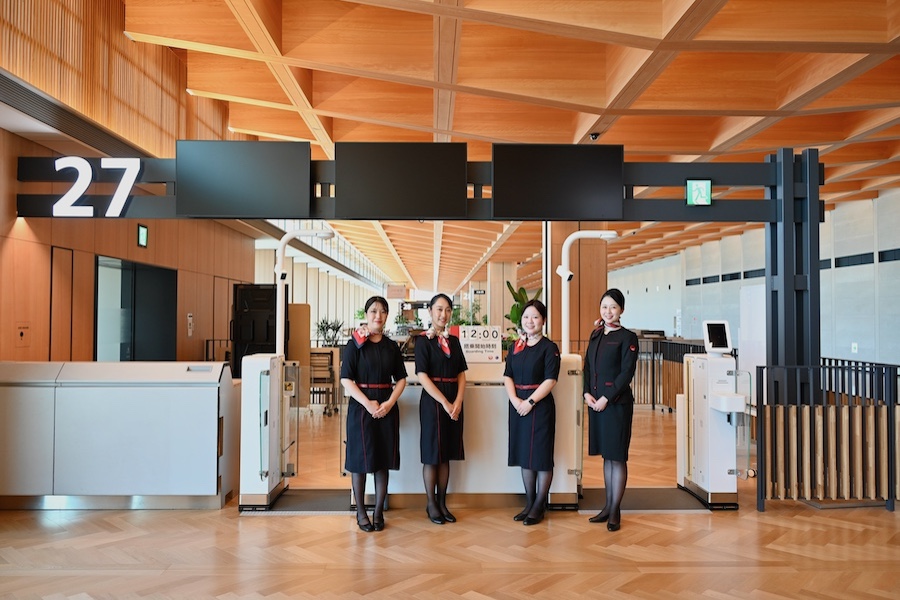
The North Satellite is a three-story facility with a building footprint of approximately 11,000 square meters and a total floor area of approximately 21,000 square meters. It has six fixed aircraft stands, numbered 24 through 29, equipped with passenger boarding bridges (PBBs). Stand 25 will be used by Skymark, while Stands 26 through 28 will be used by Japan Airlines (JAL). Stand 29 will be shared by the two airlines. Stand 24 will not be used for the time being.
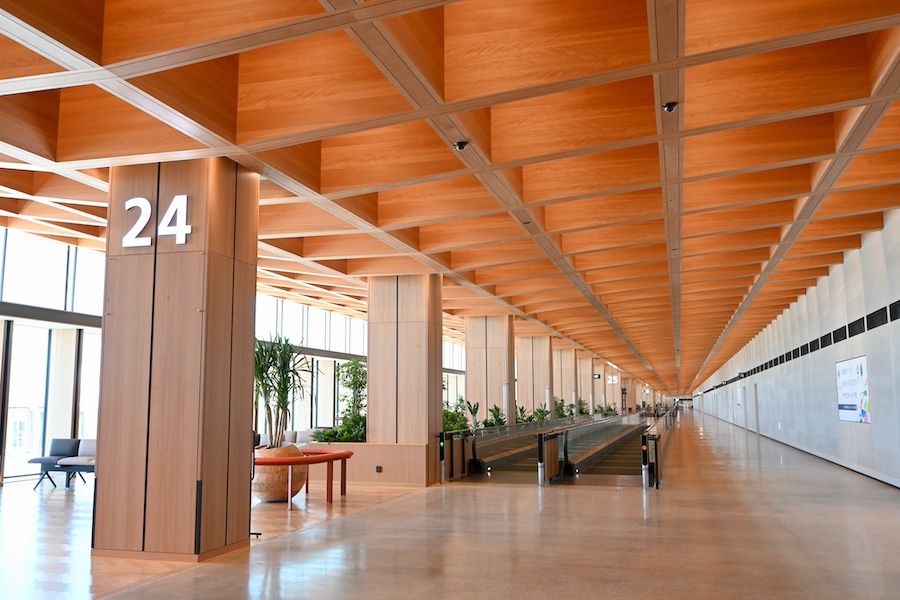
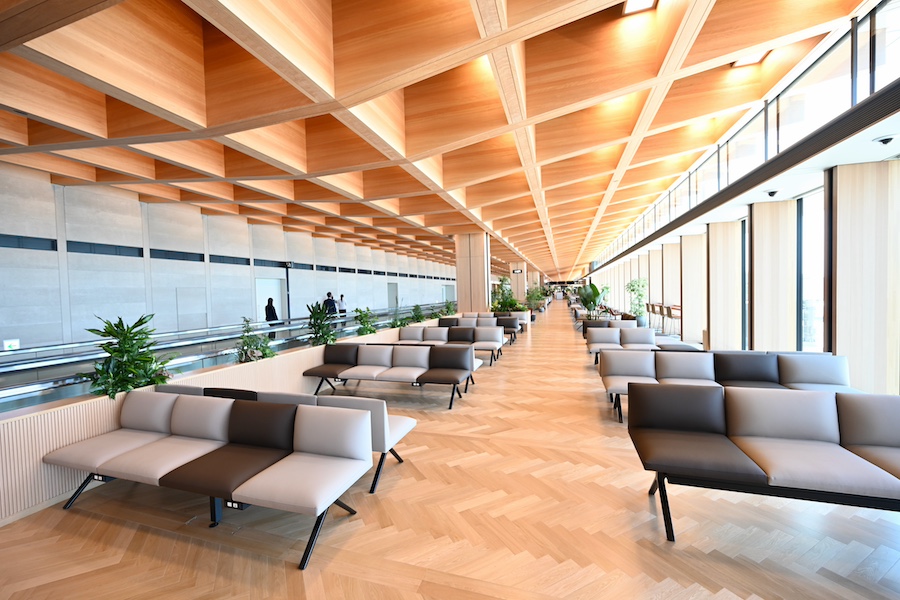
A connecting corridor of approximately 200 meters links the satellite with the main terminal building. The distance from the main building to the farthest stands, 28 and 29, is about 550 meters. The PBB at Stand 29 is approximately 100 meters long, making it Japan’s longest, according to the company.
The facility has a total of 10 moving walkways and will introduce new vehicles for “iino,” an autonomous mobility service that operates in line with passenger flows. The operating area for the existing autonomous mobility service “WHILL” will also be extended to the North Satellite.
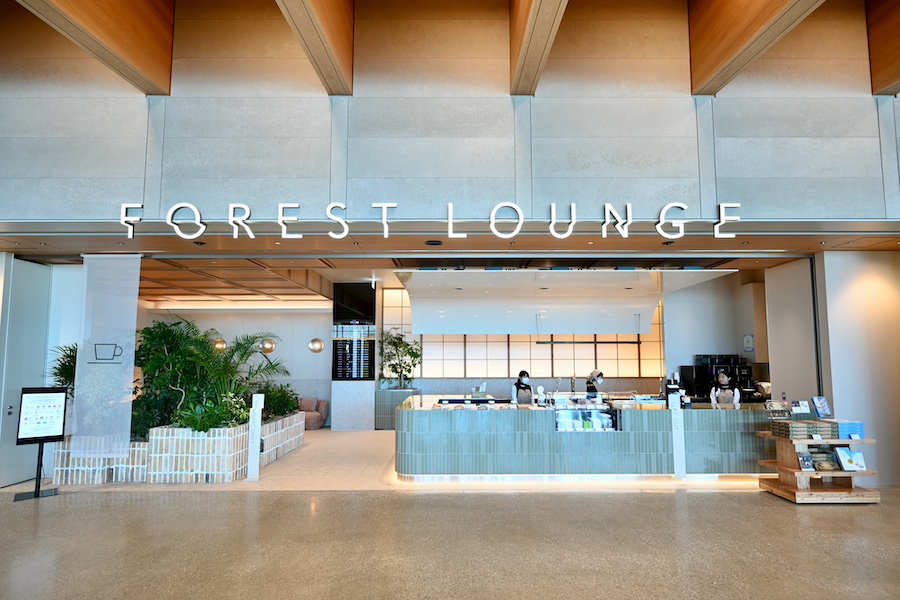
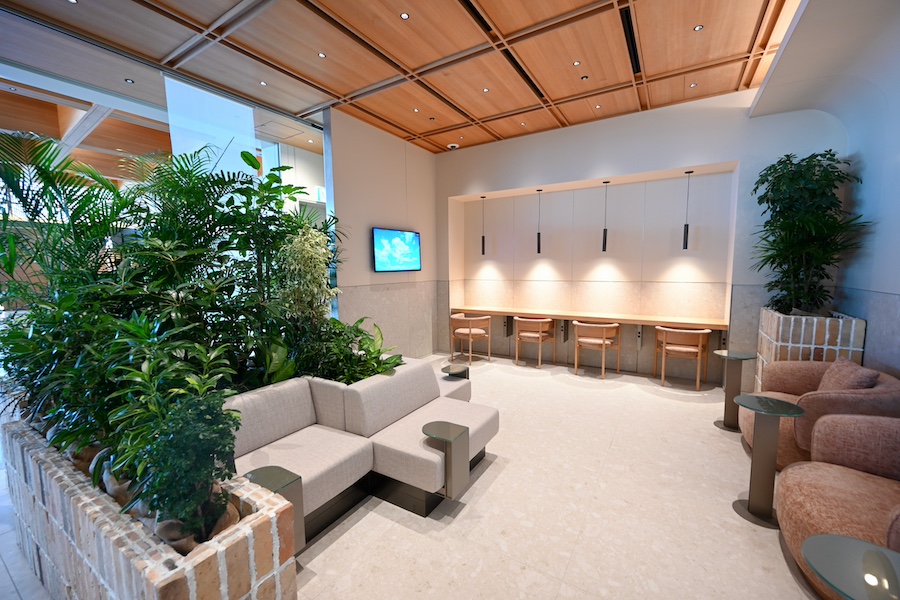
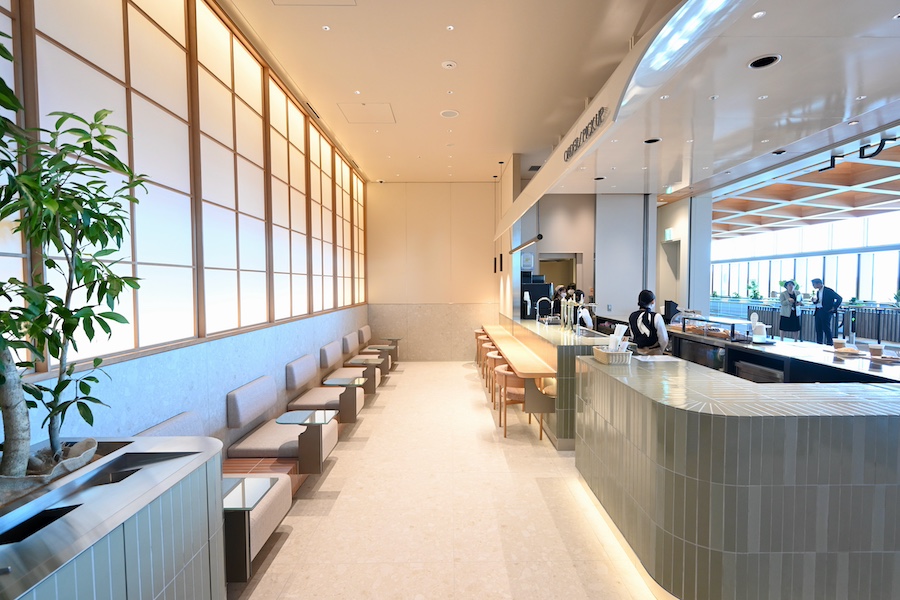
The cardholder lounge “FOREST LOUNGE” will open near Gate 26. With 22 seats, it will be the first facility of its kind at Haneda Airport to combine a cafe and a rest area, and will also offer takeaway drinks and sweets. Holders of affiliated credit cards may use the lounge free of charge. General admission is 1,320 yen for adults, 660 yen for children aged 4 to 12, and free for children aged 3 and under. The lounge will also feature the “Solari-style FIS,” a digital recreation of the flap-style flight information display once used at the airport.
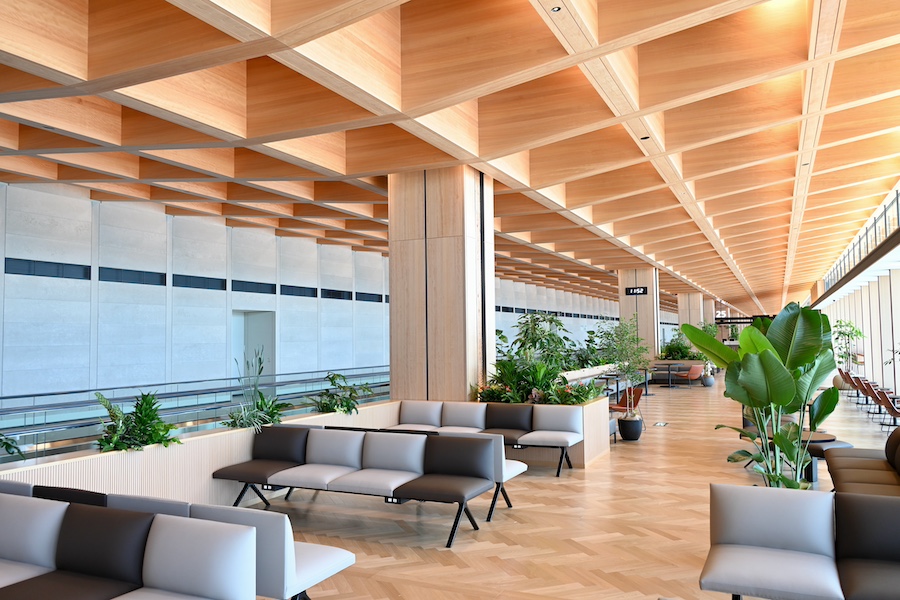
Construction of the North Satellite began in May 2024 and was completed at the end of May this year. The facility uses a timber-and-steel hybrid structure, with the first floor built of steel and the second floor and above built of wood. Its wooden sections use approximately 1,800 cubic meters of domestically sourced Japanese timber, including Japanese cedar, Japanese larch, oak, and Japanese cherry birch. The use of timber reduced carbon dioxide (CO2) emissions during construction by approximately 2,630 metric tons. Solar power generation will produce approximately 530,000 kilowatt-hours annually, covering around 80% of the facility’s electricity consumption.
With the opening of the North Satellite, seven airlines operating domestic flights to and from Haneda Airport—JAL, Japan Transocean Air (JTA), All Nippon Airways (ANA), Skymark, StarFlyer, AIRDO, and Solaseed Air—will change their checked baggage drop-off deadline from 20 minutes before departure to 30 minutes before departure, effective September 1.
Notice
This article was generated using automatic translation by GPT-4 API. The translation may not be accurate.