Balcony Cabin but Little Room to Spare Even for Solo Use
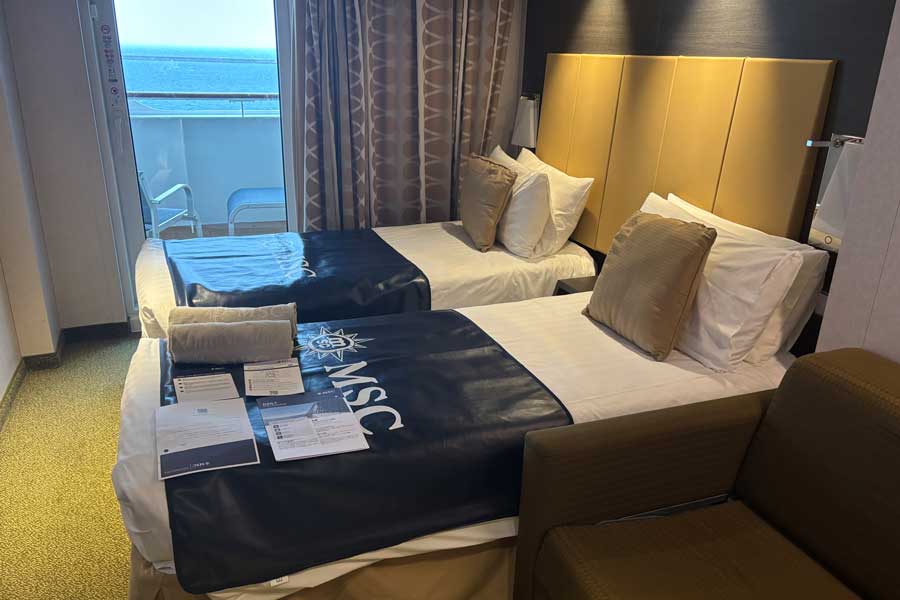
I chose a balcony cabin, but in the end I didn’t spend much time on the balcony. The price difference compared with ocean‑view cabins with windows or inside cabins wasn’t that big, and it was a bit chilly because of the wind.
If you leave a large suitcase open on the floor, there’s hardly any space left to stand. Ordinarily, you would use the closet efficiently, but since it was only a short trip, I decided it was easier just to leave the suitcase open. The TV channel selection was limited—Japanese channel options were basically just things like Nippon TV’s “NEWS24”—so I ended up spending more time outside the cabin than in it.
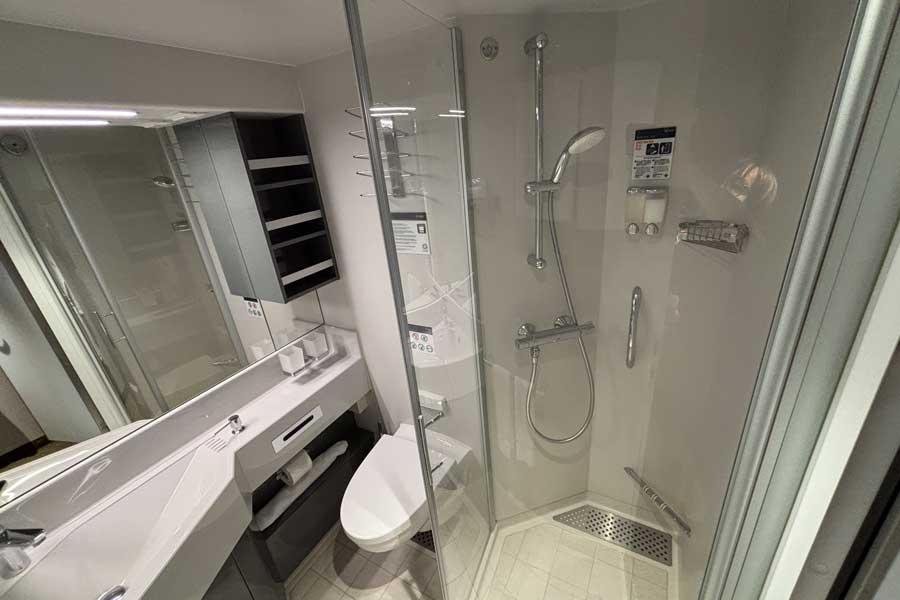
In the cabin, the shower room came with body soap, and there were an electric kettle, cups, and a basic selection of green tea and black tea bags—but almost nothing else. You have to bring everything else you need. Before boarding, I went to the Don Quijote discount store on Kokusai‑dori in Naha to buy a toothbrush, shampoo, conditioner, and bottled drinks. As there were no tissues or slippers in the cabin, I had brought those from home.
Some items are prohibited from being brought onboard, including alcoholic beverages, certain foods and drinks, electric kettles, and clothing irons. There were no hair dryers or hair irons provided in the cabin; apparently passengers are now allowed to bring those themselves. Power outlets included Type A sockets compatible with Japanese plugs. There are no outlets next to the pillow, though, so that requires some forethought.
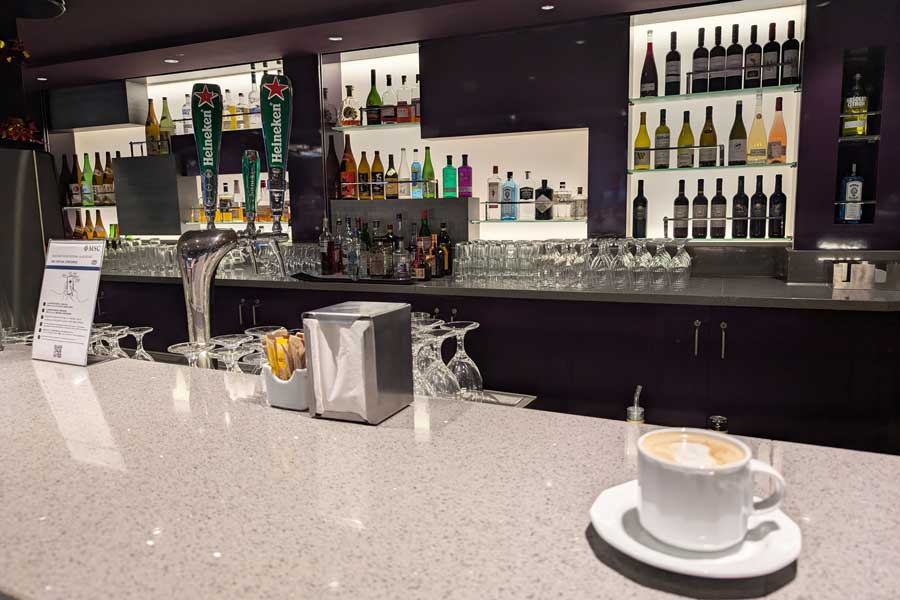
Drinking Italian coffee at the onboard café, enjoying world beers at the pub, savoring authentic gelato, and having a hot round at the casino were all far more enjoyable than staying in the cramped cabin. Even if you start off intending to save money, you soon get used to spending freely. And all you ever have to do is present that single cruise card. The bill arrives long after you have disembarked, just when you have almost forgotten about it.
I had a single cabin separate from my travel companion. After this trip, though, we agreed that if we do another cruise of just a few days, we wouldn’t mind sharing a slightly larger, more expensive cabin. On the other hand, for itineraries longer than a week, even with a close friend, separate cabins might be better for maintaining peace of mind.
If you don’t purchase a satellite Wi‑Fi package and think you might get bored onboard, I recommend bringing books. It’s also a good chance to catch up on recorded TV shows. You can try to see it as an opportunity for digital detox. Personally, I couldn’t manage that.
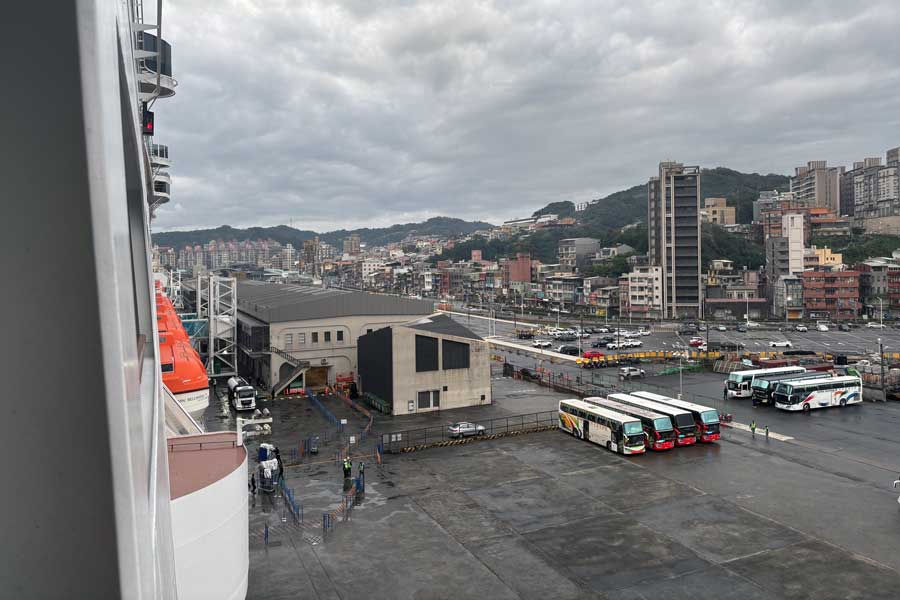
Arrival at the Only Port of Call: Keelung, Taiwan
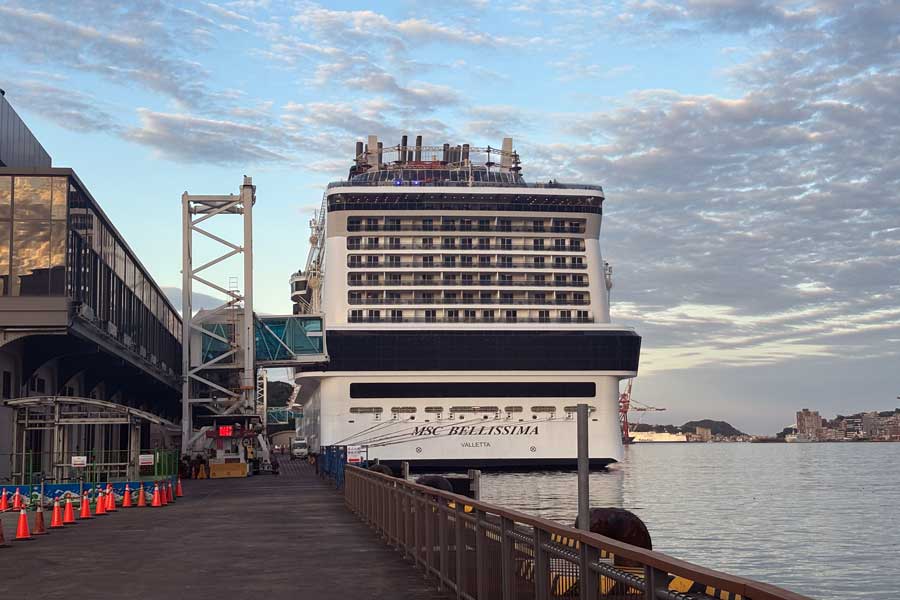
Early in the morning, accompanied by loud noises, we arrived in Keelung. We had been told that disembarkation would start at 7:30 a.m., but of course, the ship needs to arrive earlier to prepare. Since we planned to go into central Taipei, we watched from the balcony to confirm that the first passengers had started disembarking and then got ready to go ashore.
My travel companion and I decided that we would first head to the furthest point—central Taipei. If we ran short on time coming back, we would take taxis without hesitation; if we had extra time, we would explore Keelung. Our logic was that if we visited Keelung first and then went to Taipei, it would be harder to gauge timings. So we went far first and planned to adjust later. Since there were many uncertainties—whether disembarkation would proceed as scheduled, how long it would take to clear arrival formalities—we made sure to leave some flexibility.
We disembarked shortly after 7:30, had our cruise cards scanned, and passed through quarantine. Many Taiwanese passengers were also disembarking, but everything moved smoothly. We had already surrendered our physical passports when boarding the cruise in Japan and only needed to carry copies. These passport copies also worked when we claimed tax refunds in the city. There were no face‑to‑face immigration checks on arrival.
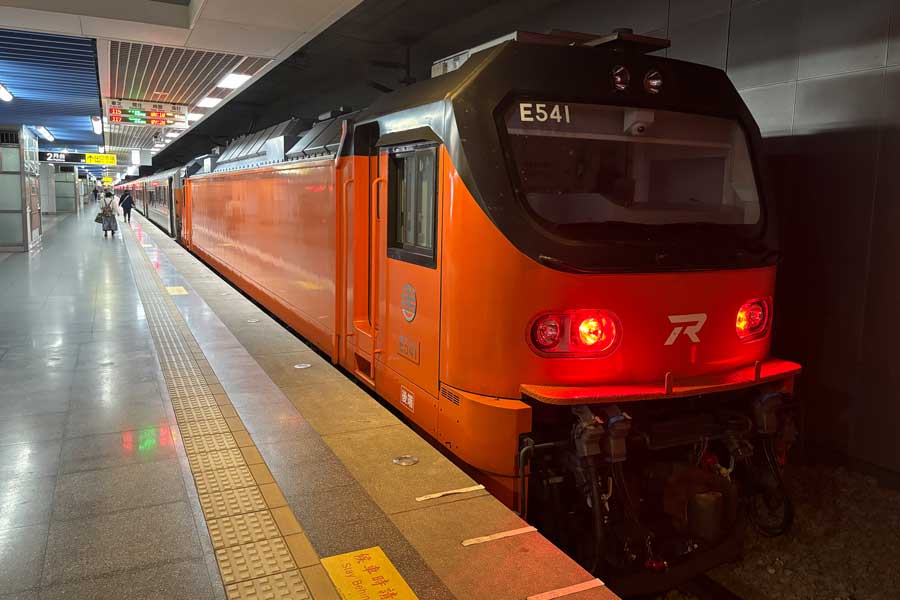
We took a Tze‑Chiang Limited Express train from Keelung to Taipei. Almost all the passengers appeared to be cruise guests. We used contactless credit card payments at the ticket vending machines to purchase our tickets. The ride to Taipei Main Station took only about 40 minutes. At the station, my companion exchanged money at a post office. The rate seemed slightly better than at Keelung Port, but the rate I got using Revolut was even more favorable. For a stay of only half a day with limited spending, though, obsessing over exchange rates isn’t really necessary. I used the leftover Taiwan dollars I had exchanged before COVID. I felt genuinely grateful to my past self, and with such a favorable rate, I found it even easier to splurge.
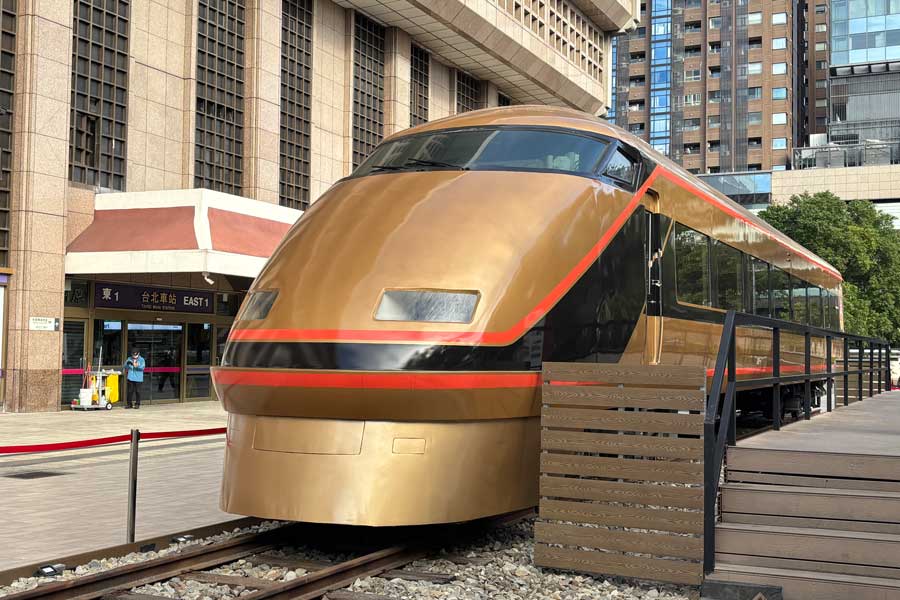
For some reason, a Tobu Railway Spacia 100 series train from Japan was on display in front of the station, so we took commemorative photos. It turns out that Tobu Railway donated this train to Taiwan Railways Administration to commemorate the 10th anniversary of their friendship agreement, and it is now exhibited there. Since this train used to run near my home in Japan, I felt oddly moved.
For breakfast, we grabbed a quick bite of toast with pork and coffee from a street stall near Taipei Main Station, then took the MRT subway to the National Railway Museum. There, a Japanese‑built Series 583 sleeping car that used to run in Japan is inexplicably displayed intact. There was no explanation given as to why, leaving me to wonder whether displaying Japanese rolling stock was some kind of trend. I really had no idea.
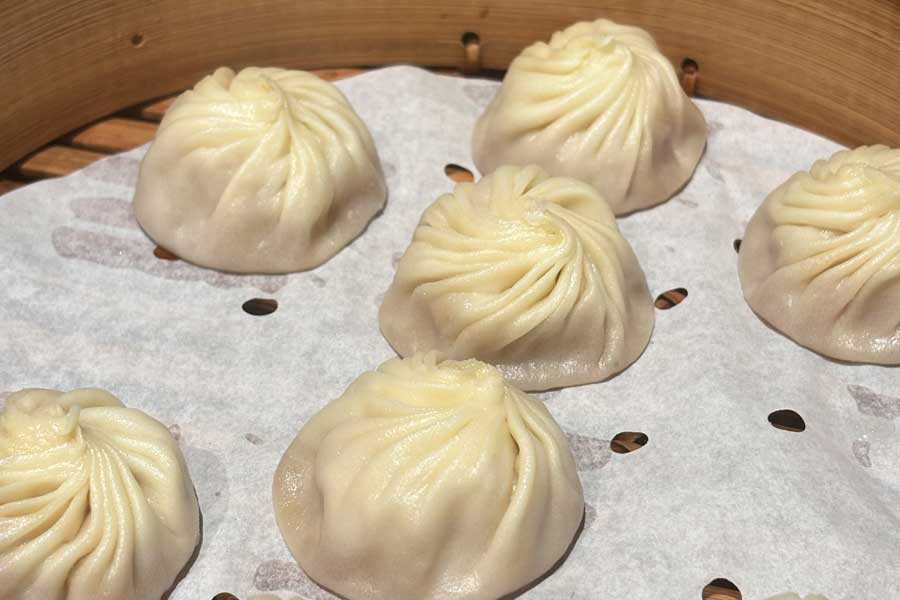
We then took a bus to Taipei 101 to buy souvenirs. We purchased Taiwanese whiskey, tea, and other items, and enjoyed a multi‑course meal of Taiwanese cuisine at Din Tai Fung, booked via a Trip.com campaign that allowed two people to dine for the price of one. Normally, the course costs 5,224 yen per person, but we paid that amount for both of us together. The ticket also allowed us to skip the regular line—usually over an hour—cutting the wait to about 30 minutes. On such a tight sightseeing schedule, saving time like this was a huge bonus.
We enjoyed a full course of Din Tai Fung specialties, from the famous xiaolongbao dumplings to stir‑fried dishes, fried rice, hot and sour soup, and sweet red‑bean xiaolongbao for dessert. Dishes came out one after another, and although the meal was substantial, we finished relatively quickly thanks to the smooth pacing typical of a set course.
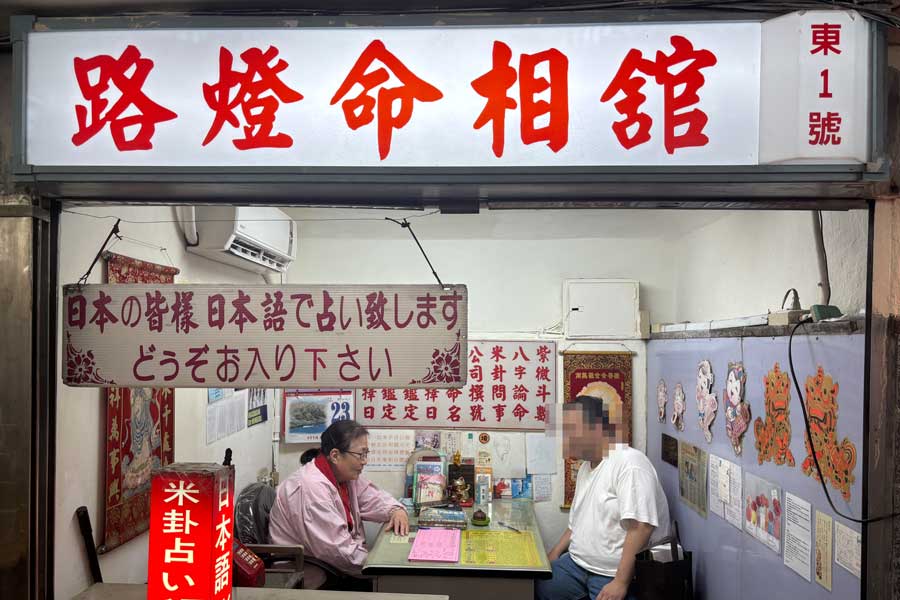
After filling our stomachs, we took the MRT to the Xingtian Temple area and the adjoining “fortune‑telling alley,” which my companion was very keen to visit as our final sightseeing spot.
Because of the day of the week and the time, the fortune‑telling alley was very quiet. One fortune teller tried to lure us in saying, “Takada Junji came here too; highly recommended!”—referring to a Japanese celebrity famous for his unserious persona. He is about the last person whose endorsement you would want to trust.
As my companion started a second lap through the narrow alleyway to examine the options, I said, “Let’s just go with our gut feeling,” and steered them toward a random fortune teller. After writing down their date and time of birth, the fortune teller consulted a well‑worn divination book and used grains of rice to divine their fate. In the end, my companion was told in Japanese: “Your search for a marriage partner must be a short, decisive battle. If you divorce, there will be no second chance. You should buy two homes—even if it means taking on debt. And you must lose weight.” I couldn’t stop laughing next to them.
Whether the reading was accurate or not is beside the point, but the price was 1,200 New Taiwan dollars. With the exchange rate above 5 yen to 1 NT dollar, Taiwan is no longer a cheap destination for Japanese travelers.
We caught a bus—one that didn’t arrive anywhere near its scheduled time—back to Keelung. Not wanting to risk missing the final boarding time, we returned to the ship with more than an hour to spare. In the end, it turned out to be a very satisfying day, packed with both meals and sightseeing. Everything had to fall into place to make the schedule work so smoothly. The fact that we finished lunch earlier than expected was probably the key factor—or perhaps that my companion didn’t insist on visiting a second fortune teller.
After waking early and walking around all day, we were exhausted and took a nap in the cabin. Later, accompanied once again by loud noises, the ship departed from a dark Keelung and began its nearly full‑day voyage back to Naha Port.
Notice
This article was generated using automatic translation by GPT-4 API. The translation may not be accurate.