TRAICY publishes articles on a wide range of themes, including aviation, railways and buses, hotels, credit cards, and general travel information. In this article, we look back at the most-read articles of 2025.
Looking at recent trends in pageviews, the straightforward reality is that TRAICY’s article traffic no longer necessarily aligns with overall trends in the travel industry. There are several possible reasons, but the biggest factor is the change in how readers arrive at articles. In the past, many visits came from social media such as X (formerly Twitter) and Facebook, but gradually this has shifted to suggestions from apps like Google.
As a result of this shift, articles with high pageviews tend to be those with an element of surprise or those whose content is hard to guess from the headline alone. From this perspective, the kinds of pieces TRAICY frequently covers—such as airline sales and campaign articles about coupons offered by travel agencies—also tend to attract a lot of views from readers who want to check the details.
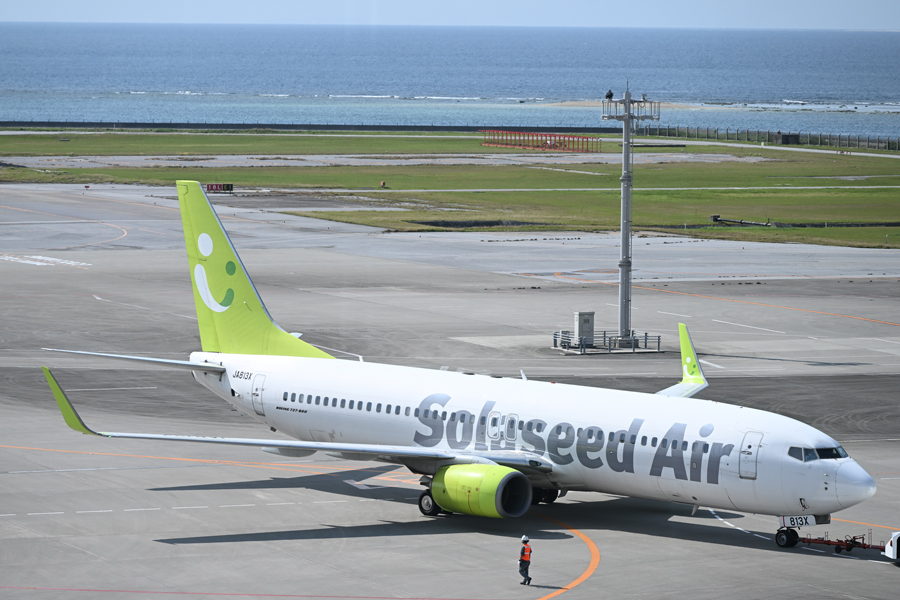
However, Japanese domestic airlines in general are struggling to secure profits. The news that Solaseed Air posted a net profit of just 6 million yen for the April–September 2025 period drew a huge response. Sales are ultimately just one form of promotion. To survive, airlines need to raise brand recognition and continue to be chosen on the basis of convenience.
Although it did not make the ranking this time, it goes without saying that the Osaka-Kansai Expo dominated many of this year’s travel-industry topics in Japan. That said, toward the end of the Expo’s run there was negative coverage of issues such as people being unable to enter the venue despite having tickets because reservation slots had run out, or being unable to access the pavilion they wanted. Even so, most people around the author say that “despite everything, we enjoyed the Expo in the end”, so perhaps all’s well that ends well.
From the Kansai region, the article “JR West to Gradually End ‘Smart ICOCA’ Service” ranked in sixth place. This move appears to reflect the fact that ICOCA is now compatible with Apple Pay and Osaifu-Keitai (mobile wallet) on Android, and usage is expanding.
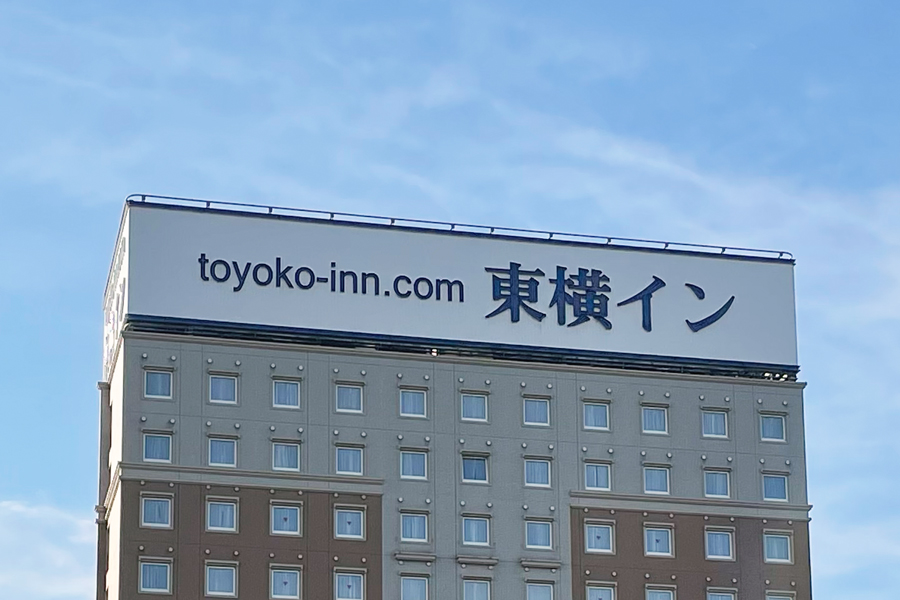
Toyoko Inn is the market leader in Japan’s business hotel sector, but when it comes to ryokan (traditional Japanese inns) with top-class nationwide name recognition, the leader is KAGAYA. The topic in fifth place was “Kagaya to Demolish All Four Buildings and Construct a New Ryokan”. Two years have passed since the 2024 Noto Peninsula Earthquake. Although reconstruction is progressing locally, the scale of the damage that remains is still immeasurable.
It is often said that ryokan have not really been able to benefit from the recent increase in foreign tourists visiting Japan. For many international visitors, the ryokan style of accommodation—typically including dinner and breakfast for a one-night stay—is unfamiliar. In that context, the news about the closure of “KAI Aso” was particularly striking to the author.
While we have just looked at ryokan, which are not closely tied to the increase in foreign visitors, the share price of Oriental Land, operator of Tokyo Disney Resort, has also been sluggish. The article “Oriental Land to Implement Special Shareholder Benefits” ranked in fourth place, but according to the latest IR information, attendance has remained flat, as the company has not significantly increased capacity in line with the growing number of overseas tourists. Investors may have become more cautious as a result.
So far, we have looked at the travel industry in 2025 from various angles—but what is interesting is that we have actually been going through TRAICY’s pageview ranking from 10th place up to second place. That leaves the top spot. What article do you think came in first?
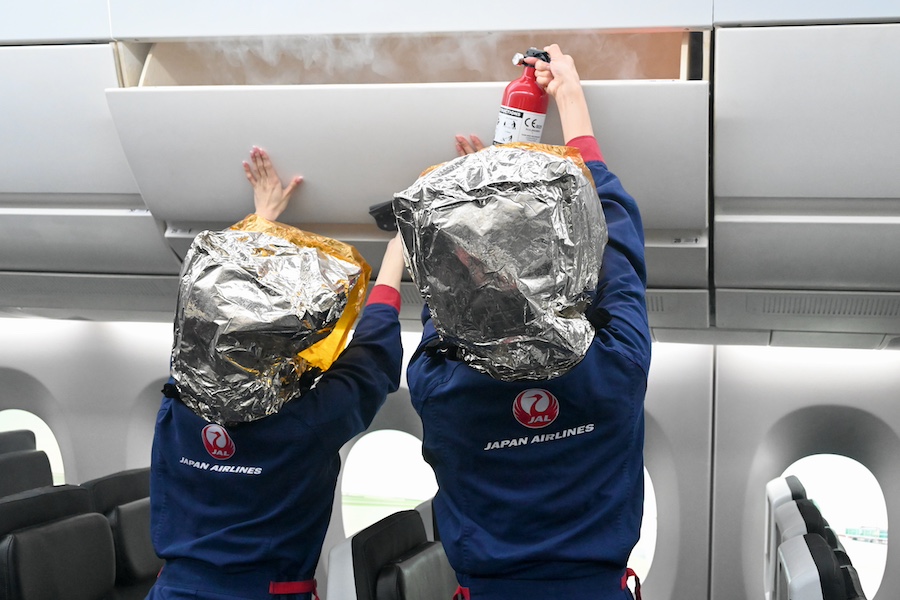
The answer was “Rules for Handling Mobile Batteries Onboard Aircraft to Change from July 8”. This may seem a bit surprising at first, but 2025 was indeed a year marked by shocking incidents of battery fires on board aircraft and inside train carriages. At the same time, this is an era in which almost everyone owns a smartphone and worries about battery life. It may actually have taken too long for these issues to come fully to light.
However, the issue of mobile batteries is not limited to Japanese people or residents of Japan—it is a concern shared by foreign visitors as well. Information on how to handle mobile batteries should also be communicated thoroughly in languages other than Japanese so that international tourists can clearly understand the rules.
Beyond this particular issue, the broader question of what foreign visitors to Japan should be made aware of, and what rules they should be expected to follow, may become an increasingly important challenge in the years ahead. It is difficult for individuals or private businesses alone to address such matters. In 2026, the post-Expo era, we may need to look with hope toward public–private collaboration and political leadership to help Japan move toward a better society.
Notice
This article was generated using automatic translation by GPT-4 API. The translation may not be accurate.