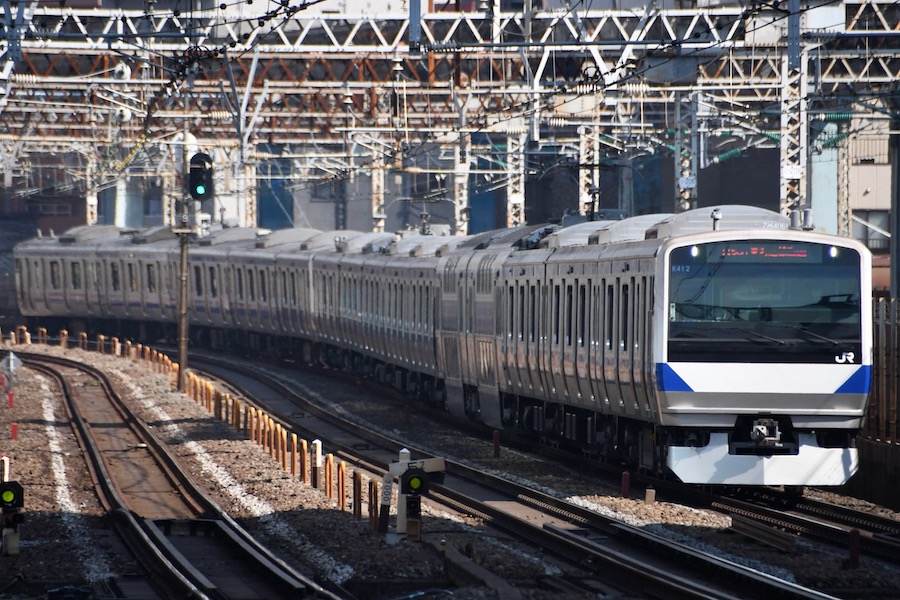
On March 14, East Japan Railway Company (JR East) will implement a fare revision. The average increase in standard fares will be 7.8%, and the starting fare for paper tickets will rise from the current 150 yen to 160 yen.
In this revision, the discounted fare zones set for the Tokyo metropolitan area (the “Densha Tokutei Kukan” special train zone and the “Yamanote Line Inner Area”) will be abolished, resulting in a larger fare increase especially in the Greater Tokyo area. For example, IC card fares between Tokyo and Shinjuku will increase from the current 208 yen to 253 yen, and between Tokyo and Yokohama from 483 yen to 528 yen. Commuter passes are also subject to the revision, with commuter passes for work seeing an average increase of 12%, and commuter passes for students rising by 4.9%.
Even for tickets and commuter passes that start being used on or after March 14, if they are purchased by March 13, the pre-revision fares will apply.
According to JR East, excluding revisions made to respond to changes such as consumption tax hikes, this is the first fare revision aimed at increasing revenue since the company was privatized in 1987. JR East states that the additional revenue will be allocated to capital investments and repair costs necessary for safe operations.
Notice
This article was generated using automatic translation by GPT-4 API. The translation may not be accurate.