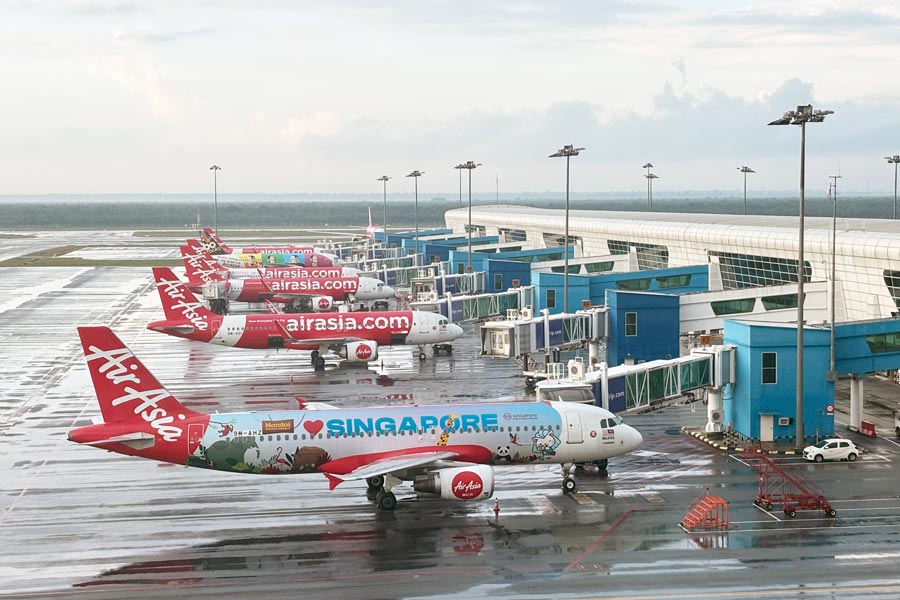
AirAsia Group has issued a statement in response to reports regarding its fundraising activities and fleet strategy.
The company explained that its plan to raise up to USD 1 billion in the international bond market and secure a domestic credit facility of MYR 700 million is primarily intended for debt restructuring, refinancing, and consolidating its financial foundation, rather than to cover a shortage of working capital. In March this year, it successfully raised approximately USD 300 million and has been extending debt maturities and reducing principal amounts.
The main aim of the fundraising is to consolidate multiple existing borrowings and shift to a debt structure with lower costs and longer repayment terms. By refinancing high-cost debt incurred during the COVID-19 pandemic, the group will reduce its annual interest burden.
Farouk Kamal, Group Deputy Chief Executive Officer (CEO), commented, “We will leverage our relationships with banks and financial institutions to replace high-interest debt from the pandemic period with longer-term borrowings. We will optimize our capital structure, reduce interest expenses, and enhance financial flexibility as we transition toward sustainable growth.”
To address fluctuations in fuel prices, the group absorbed 70% of the increase in fuel prices in the second quarter through fare adjustments and reductions in non-fuel expenses. It is expanding fuel hedging across the group, with Thai AirAsia hedging 13% of its third-quarter fuel consumption at USD 89 per barrel.
Regarding its 20% to 25% capacity adjustment in the third quarter, the group said this was an operating strategy aligned with seasonal travel demand. The third quarter is the period with the lowest air travel demand in the region, and capacity will be restored in the fourth quarter to coincide with peak demand.
Through the integration of its long-haul and short-haul operations, the group is also optimizing fleet deployment. On the Kuala Lumpur–Seoul/Incheon route, it will switch aircraft from the Airbus A330 to the Airbus A321neo, while the Kuala Lumpur–Sydney and Kuala Lumpur–Delhi routes will be temporarily suspended. The company said it prioritizes profitability on each route over aircraft utilization rates.
In addition, it returned 25 older, less fuel-efficient aircraft on favorable terms. Ahead of the delivery of new aircraft from 2028 onward, the group will eliminate fixed lease obligations and reduce non-fuel costs.