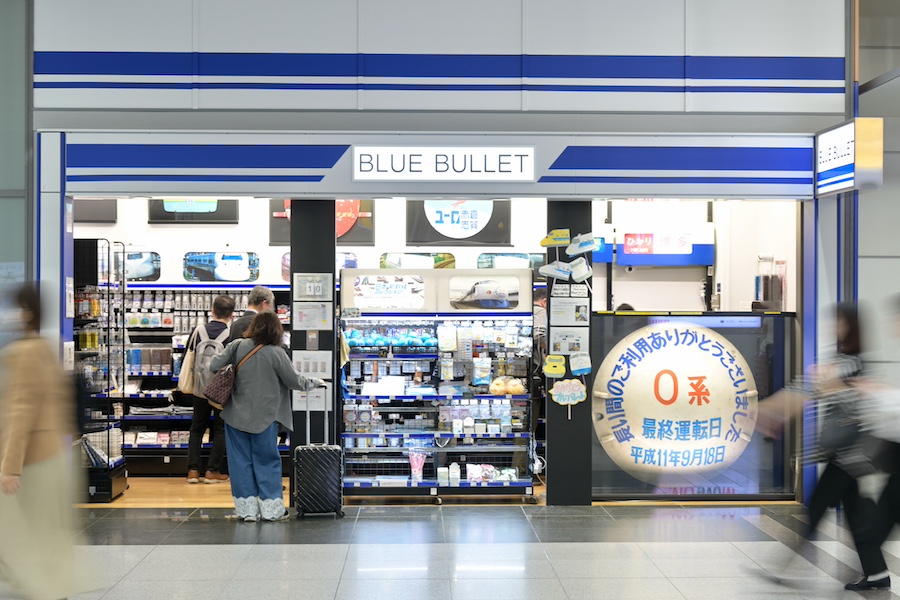
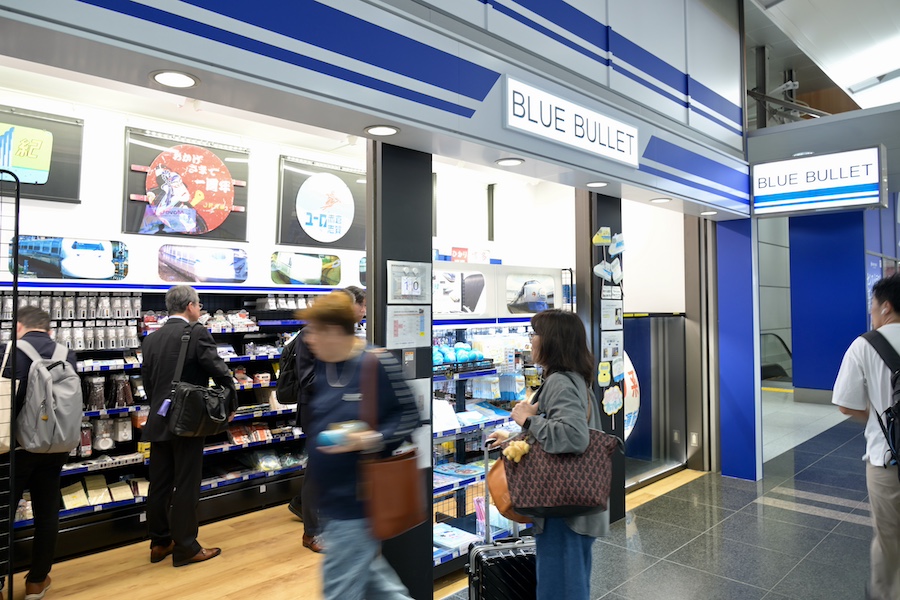
BLUE BULLET, a specialty railway goods store located inside the ticket gates at Shinagawa Station on Japan’s Tokaido Shinkansen, will close on October 31.
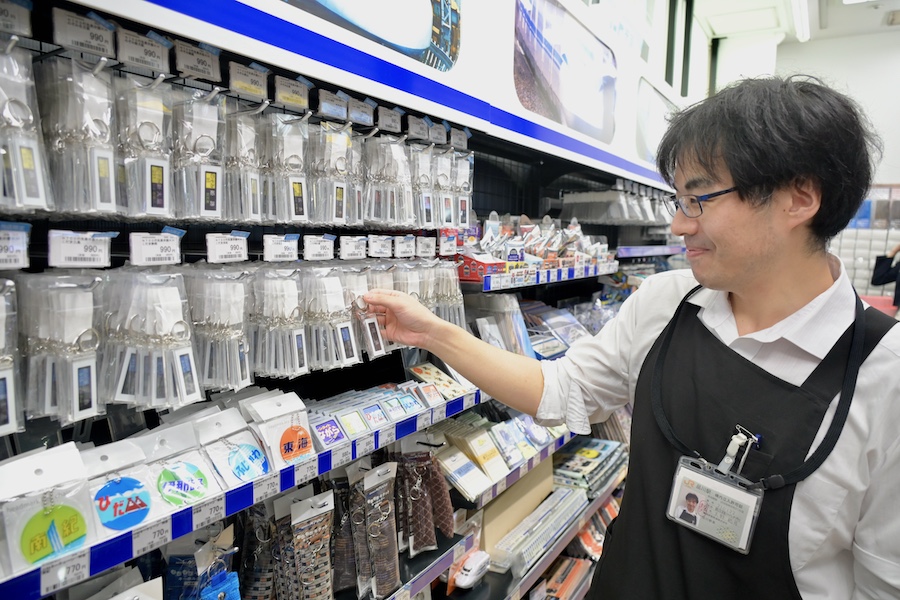
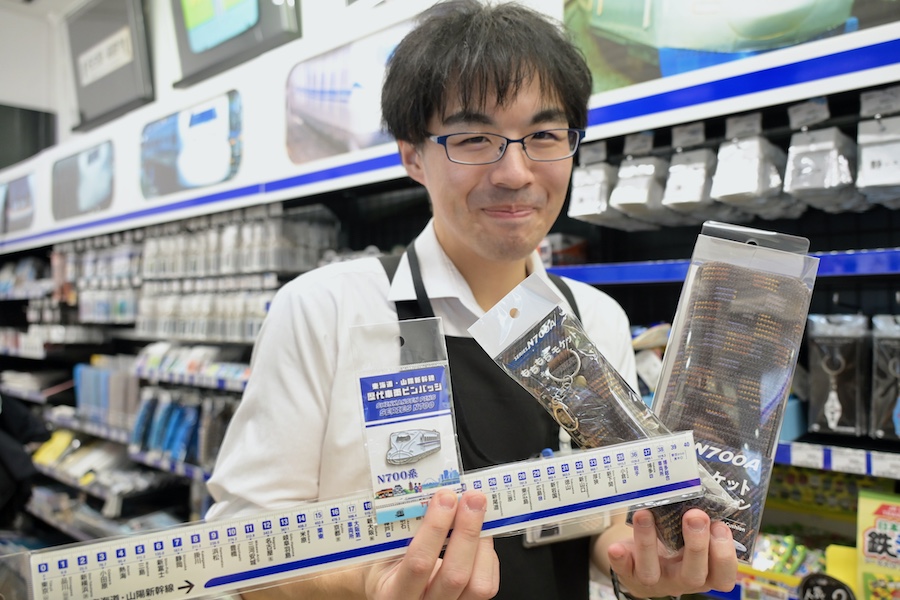
“My mission is to increase the number of people who love railways,” says Satoshi Ono of JR Tokai Retailing Plus, who has served as the store manager since its opening. Drawing on his perspective as a railway enthusiast, Ono selected products and nurtured the shop while valuing interaction with customers. The store will close its doors after approximately a year and a half in operation. “Is it really ending?” Ono said he felt sad when the closure was decided.
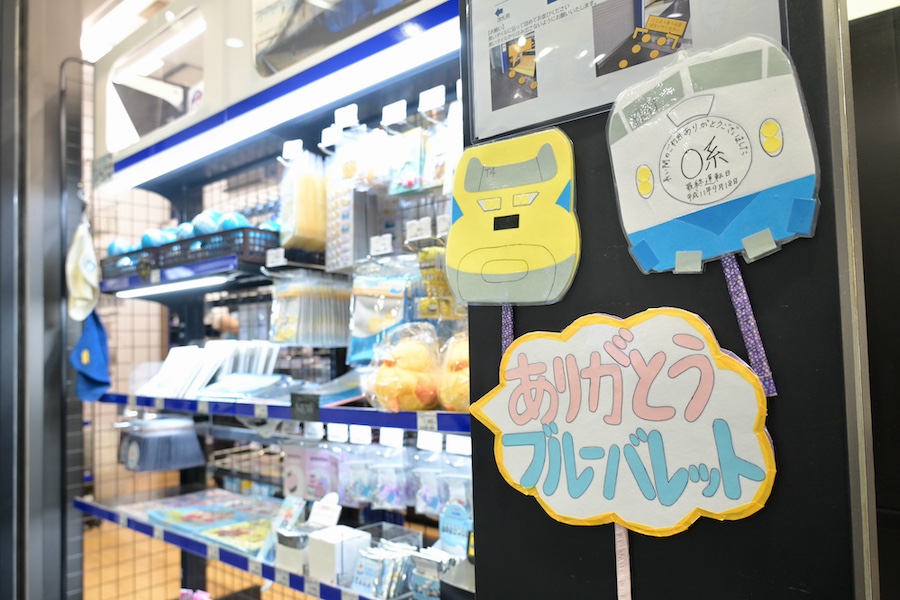
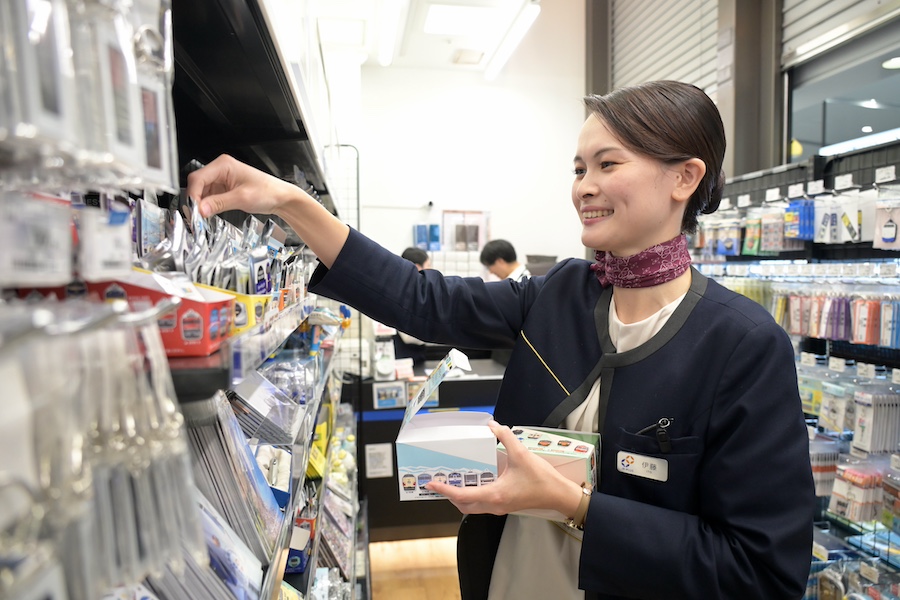
BLUE BULLET opened on April 16, 2025, as JR Tokai Retailing Plus’s first permanent specialty store for railway goods. In addition to original goods from JR companies and private railway operators, it carries store-exclusive products. The shop also displays a coupler cover, destination signboard, headmarks, and other items used on the final service of the Series 0 Shinkansen. Another distinctive feature of the store is that customer service is provided by pursers who work aboard the Tokaido Shinkansen.
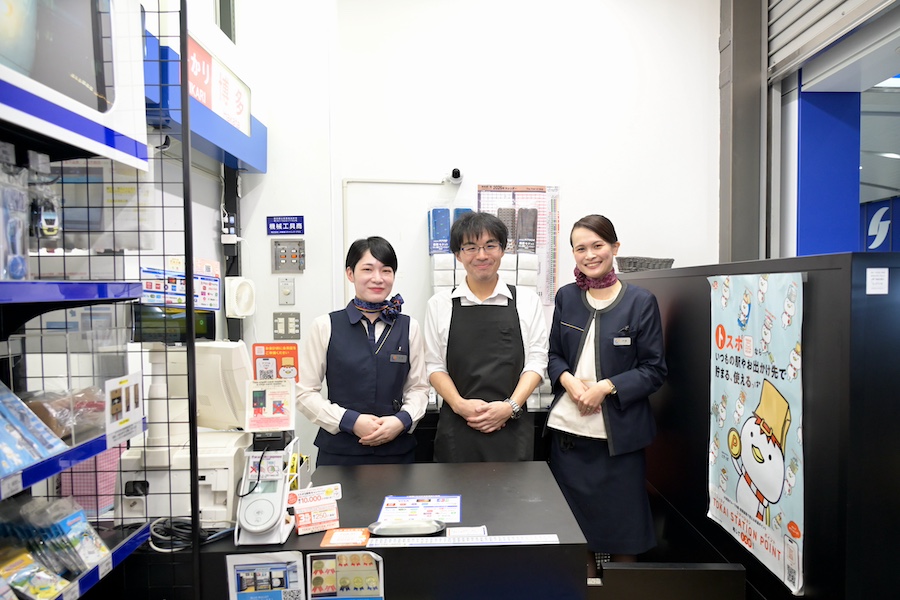
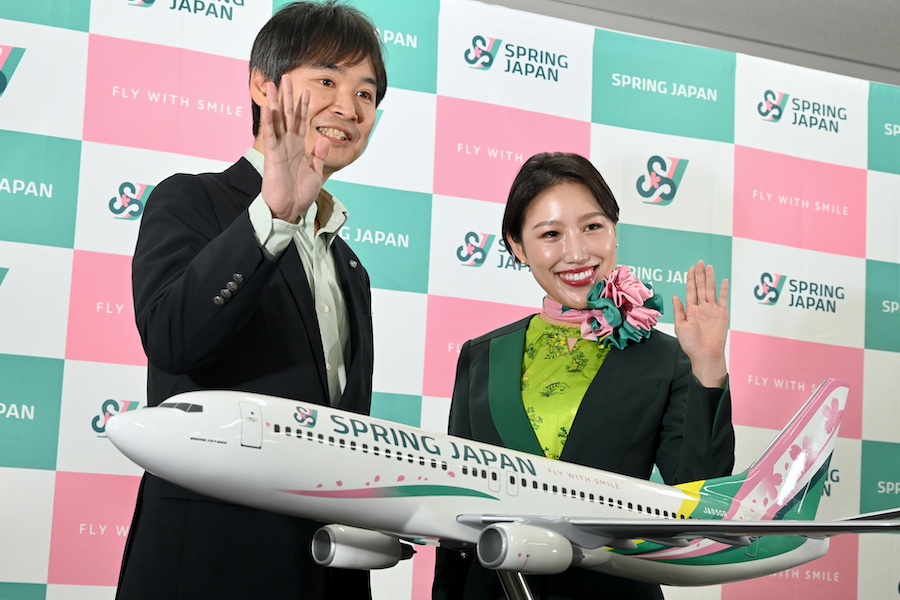
▲Satoshi Ono, manager of BLUE BULLET
Ono grew up in a family of railway enthusiasts: his grandfather loved steam locomotives, while his father favored Japanese National Railways-era rolling stock. Having been familiar with railways since childhood, he once considered becoming a teacher while at university. However, asking himself which path he could devote his life to, he chose a career connected to railways. He joined the then-JR Tokai Passengers in 2016, working in production management at a bento factory and at a train operations office before taking on sales promotion duties at the company’s headquarters. In 2022, he was involved in developing merchandise commemorating the 30th anniversary of the launch of the Tokaido and Sanyo Shinkansen Nozomi service, and later worked on commemorative products for the Tokaido Shinkansen.
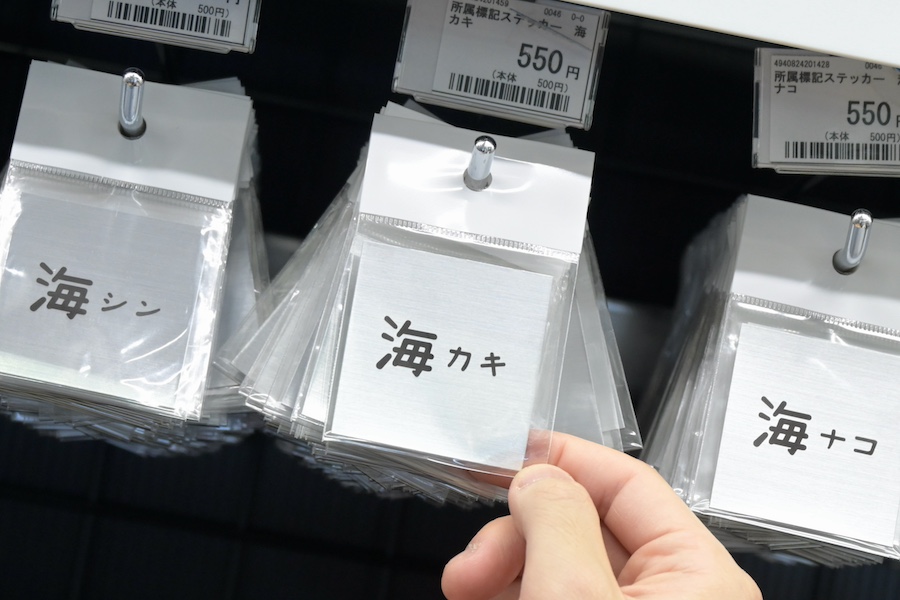
▲The store also carries goods conceived by Ono. “I love organizational markings, so I wanted to make stickers,” Ono says.
Drawing on these experiences, Ono was appointed manager of BLUE BULLET. When the store opened, his goal was to create a place where even people who were not railway fans could drop in casually. “If we target only railway fans, the scope becomes too narrow.” While incorporating the best aspects of specialty railway goods stores he himself had frequented, he sought to create a store that travelers could also enjoy. The shop stocked character merchandise and cute miscellaneous goods, and Ono says care was taken to create a sales floor that would be approachable for female customers and families with children.
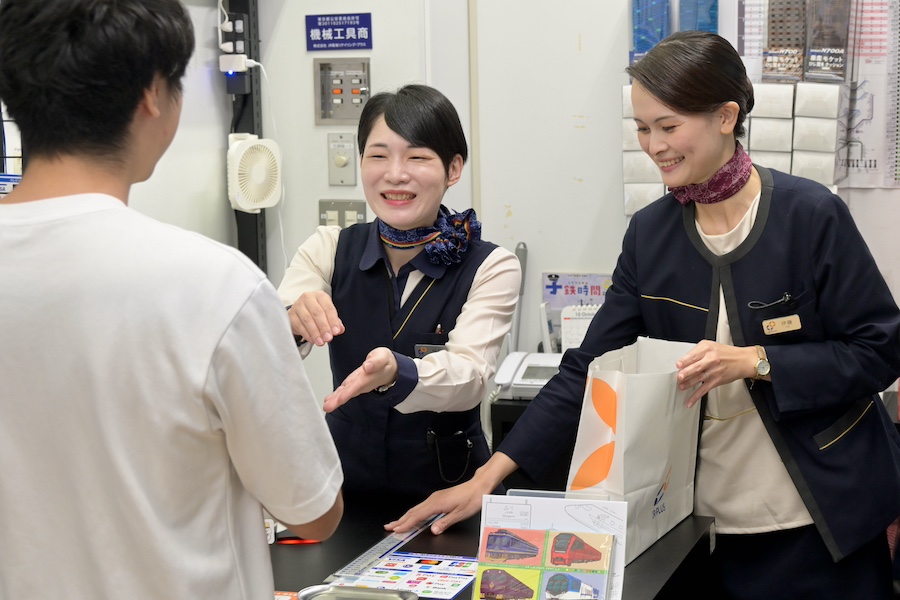
Communication with visitors to the store has been just as important as product selection. Having Shinkansen pursers provide customer service was part of the plan from the beginning. “This shop works because of the mix of them, who are customer service professionals, and me, a professional in sales and products,” Ono says. He also actively works on the shop floor and talks with customers. He says the store was often praised for its atmosphere, reflecting, “It was really wonderful that we were able to have genuine human interaction, rather than simply selling goods.”
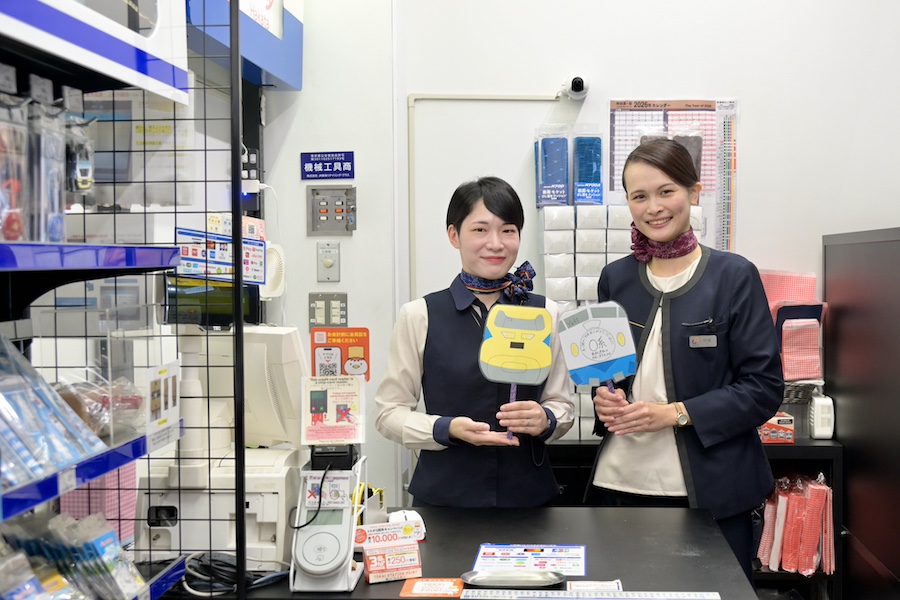
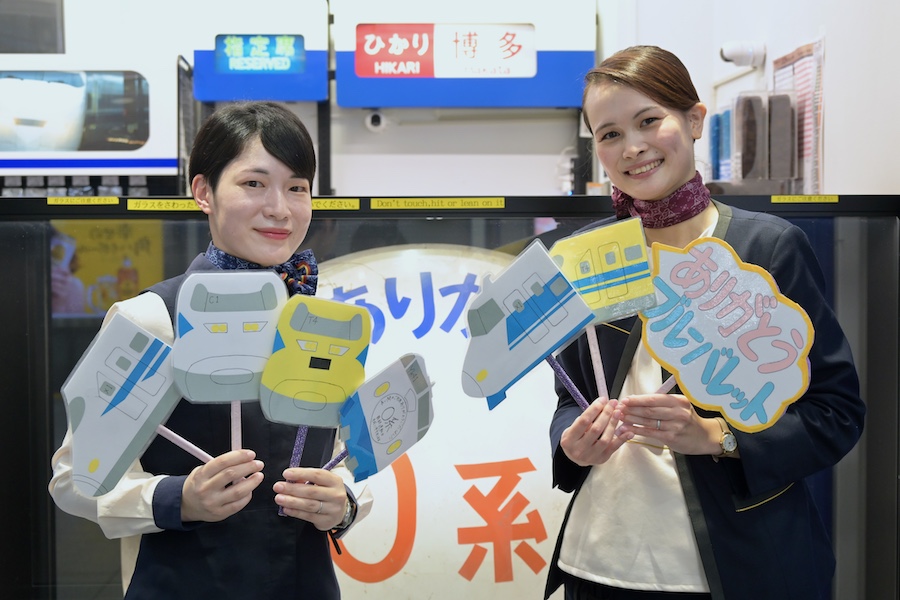
▲Shinkansen pursers Eda Hiro (left) and Ito, who provide customer service at BLUE BULLET
The Shinkansen pursers have supported Ono’s approach to building the store. Eda Hiro, who has worked there since its opening, recalls, “The manager works with a strong sense of mission, and because he handles products he loves, he is very particular about things,” she says with a laugh. At the start, Ono had his own ideas about how products should be displayed, but through day-to-day work, he increasingly incorporated the pursers’ opinions. “Now, we are really free to create displays as we like, and I think we have developed a stronger sense of being a team.” Making use of one another’s strengths, they have built the store over roughly a year and a half.
Ito, who has worked at the store since June 2025, has also drawn on her experience in onboard customer service and sales on the Shinkansen to help create a welcoming shop. She recalls that the store had little name recognition when it first opened, and staff sometimes called out to passersby outside. At the store, customers asked not only about goods but also frequently about station facilities and transfers, creating customer-service opportunities different from those onboard trains. Both women have enjoyed their work at the shop and cannot hide their sadness over its closure.
Ono, too, still had ideas he wanted to realize. The store currently carries products from railway companies around Japan, but because Tokaido Shinkansen passengers transfer from Tokyo or Shin-Osaka to other lines, he had hoped to expand the range of products from railway companies farther along their journeys. “There were still so many things I wanted to do,” he says regretfully.
With only a short time remaining until the closure, Ono’s commitment to customer service remains unchanged. “Until the very end, we will not forget the spirit of hospitality. We will welcome customers with the same excellent service as always, so that they can leave with a smile.” He intends to welcome visitors as usual through the final day.
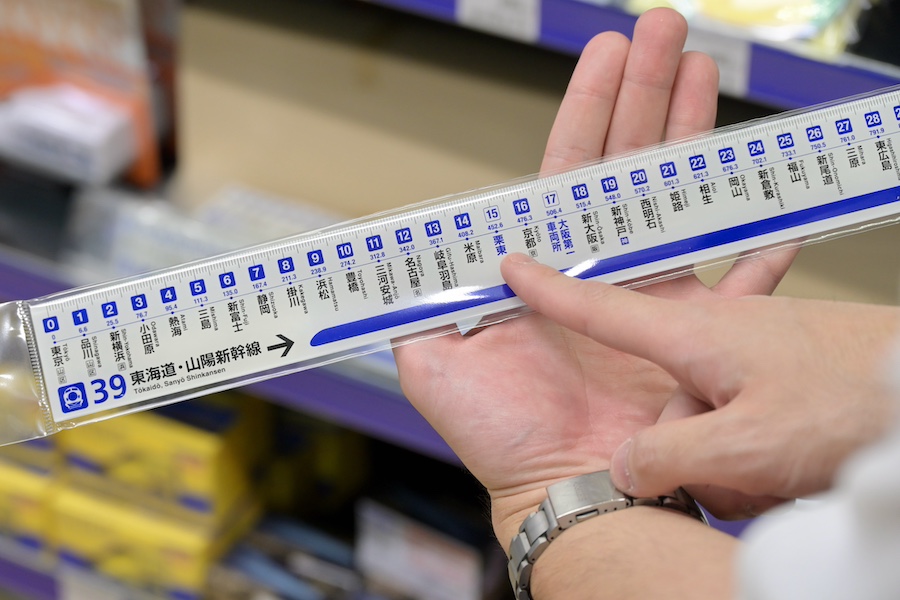
▲A ruler conceived by Ono, listing station names and distances on the Tokaido and Sanyo Shinkansen. The first edition omitted signaling stations and rail yards to make it suitable for children, but following customer requests, the longer second edition includes them as well.
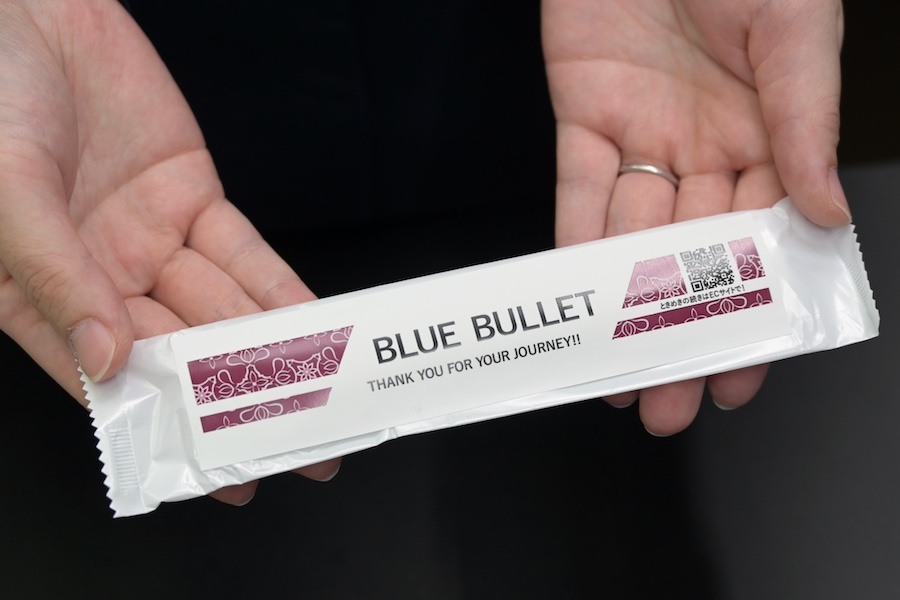
▲The original-package “Men Desu” wet towel being distributed in conjunction with the store’s closure. Planned by Eda Hiro and her colleagues, the package incorporates the pattern of the scarves they wear while on duty. It is presented to customers who spend JPY 1,000 or more, including tax.
Notice
This article was generated using automatic translation by GPT-4 API. The translation may not be accurate.