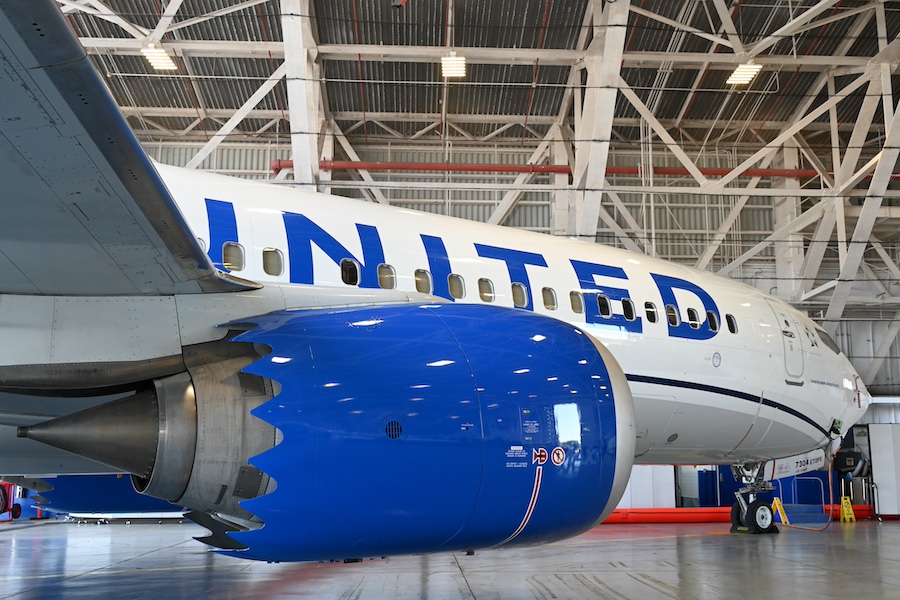
United Airlines Chief Executive Officer (CEO) Scott Kirby has revealed that the airline may face an additional annual fuel expense of 11 billion US dollars.
Due to the situation in the Middle East, fuel prices have more than doubled over the past three weeks, and he noted that if prices remain at this level, it will result in a significant increase in costs. On the other hand, demand remains strong, with the airline recording the highest number of bookings in its history over the past 10 weeks. He explained that United has strengthened its financial position, with cash on hand now about three times higher than before the COVID-19 pandemic. The company’s credit rating has also reached its highest level in more than 30 years.
As a short-term response, United has formulated its plans based on the assumption that crude oil prices will rise to 175 US dollars per barrel and will not fall below 100 US dollars through the end of 2027. The airline will cut about 3% of its scheduled flights, mainly during the off-peak periods in the second and third quarters, and will also reduce approximately 1% of flights to and from Chicago O’Hare and about 1% through the suspension of flights to and from Tel Aviv and Dubai, for a total reduction of around 5%. All flights are planned to be restored in the autumn.
United will maintain its long-term business plan and is scheduled to take delivery of around 120 new aircraft this year, including 20 Boeing 787s. The airline will also maintain its plan to add a further 130 aircraft by April 2028, while accelerating investment in technology, expanding airport lounges, investing in infrastructure at high-demand hub airports, and working toward operating 100 daily flights from New York/Newark. The company stated that it will not cut costs or postpone investments.
Notice
This article was generated using automatic translation by GPT-4 API. The translation may not be accurate.