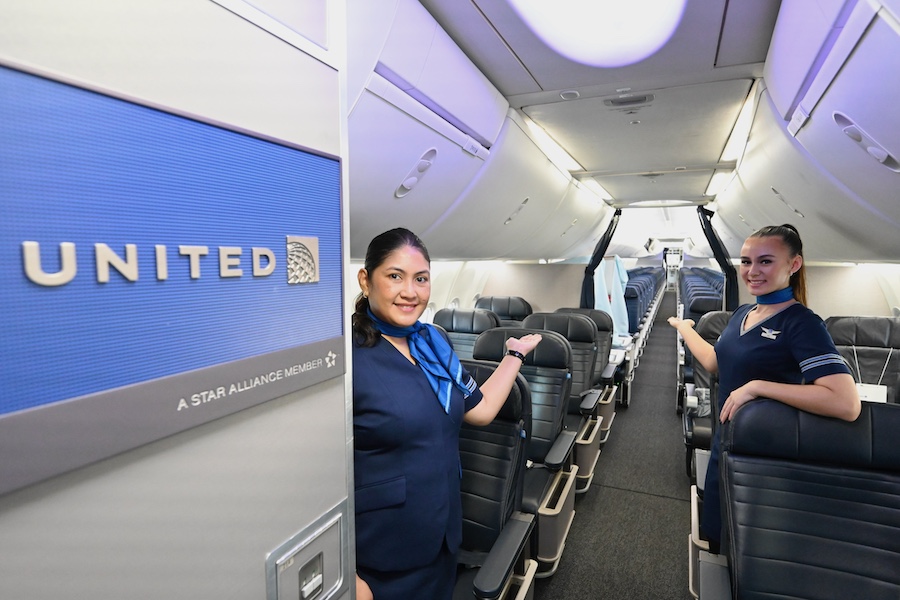
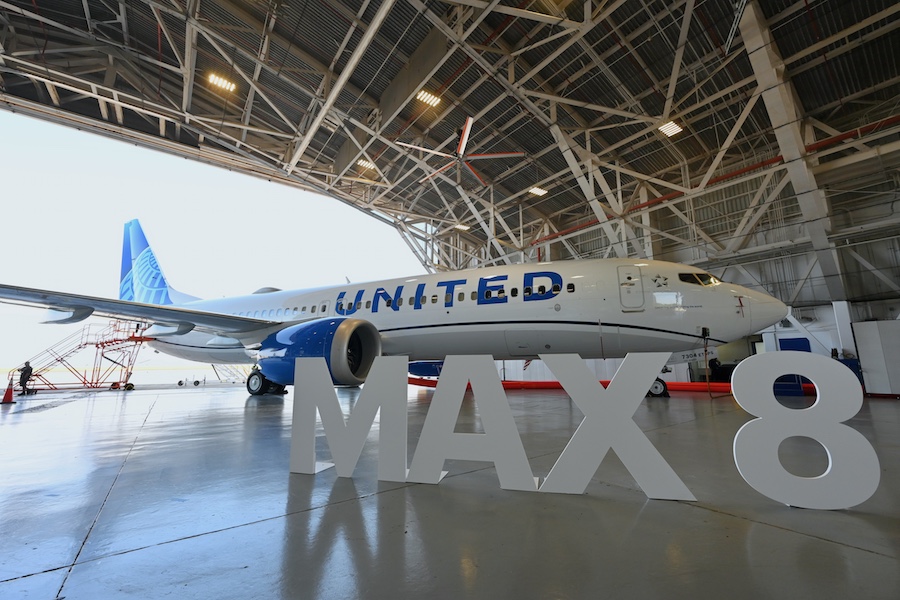
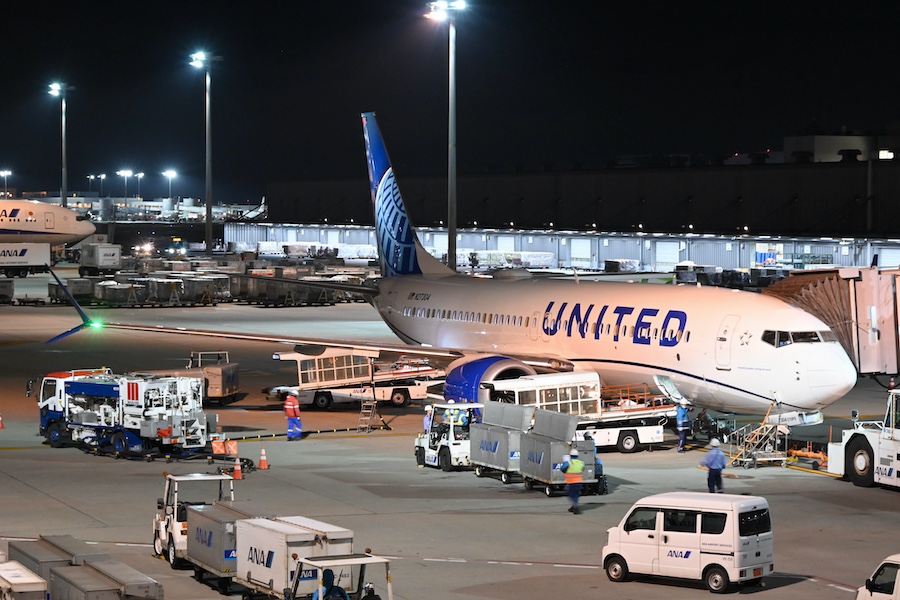
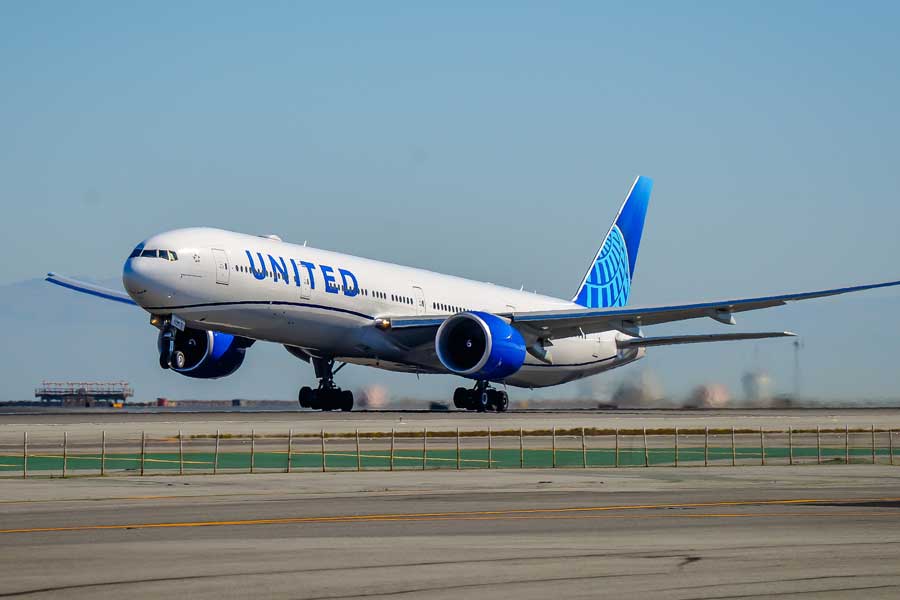
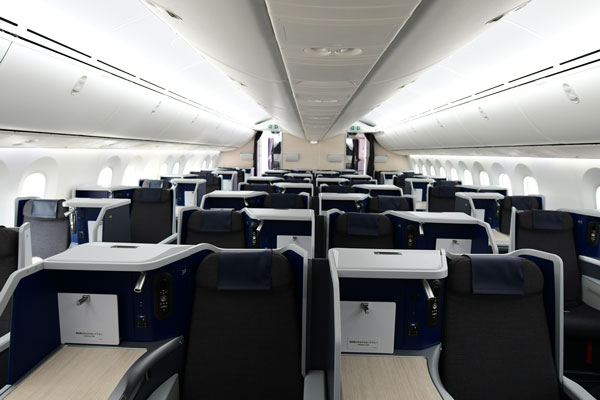
United Airlines has announced that it will gradually replace the Boeing 737-800 aircraft based at its Guam hub with the new Boeing 737-8 aircraft starting April 30. The airline plans to introduce all 10 aircraft by the end of December.
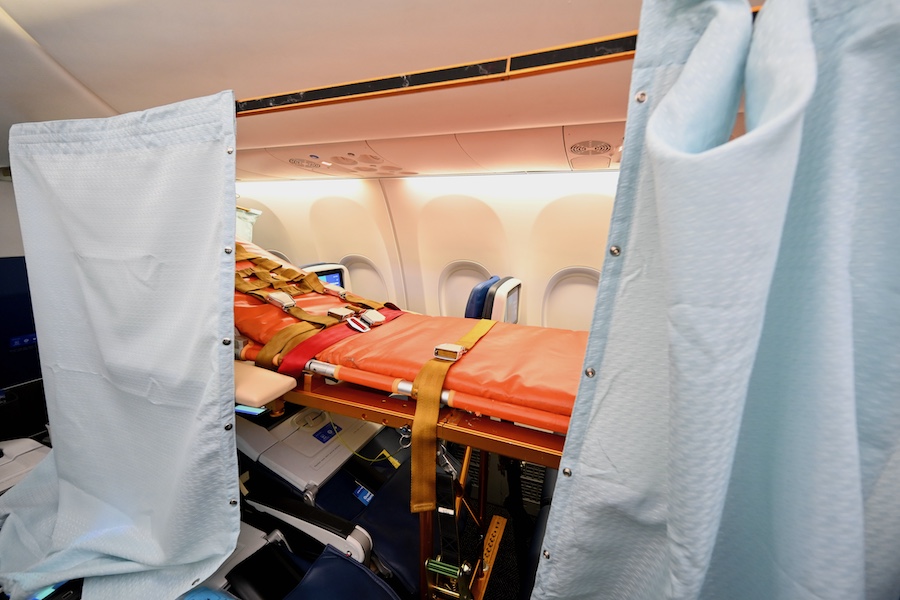
The 737-8 has been in service in the North America region since June 2021. The aircraft being deployed to the Guam region are retrofitted airframes that had been operating in North America, with the main change being the business class seat layout. In addition, the forward part of the economy class cabin has been configured to allow for the installation of stretchers to accommodate inter-island medical transport needs in and around Guam.
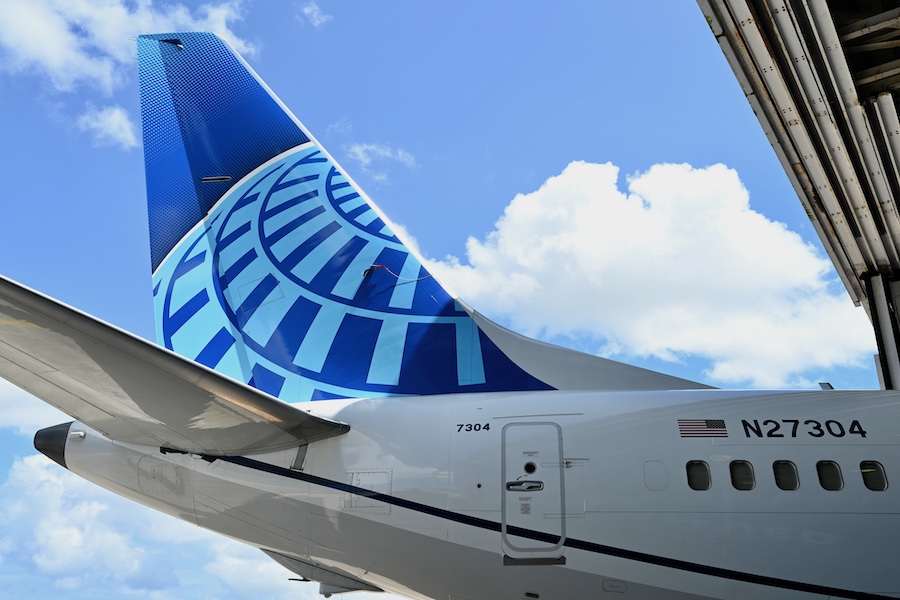
According to Sam Shinohara, Managing Director of Airport Operations for the Asia-Pacific region at United Airlines, the renewal of the Guam-based fleet has been under consideration for more than 10 years, and the decision to introduce the 737-8 was made in 2021. As of March, two aircraft, registration numbers “N17302” and “N27304,” have been transferred to the Guam region, and they have been operating on selected routes on a trial basis ahead of the official start of service on April 30. At this time, only N27304 has completed its modifications, while N17302 is scheduled to be modified later.
▲Sam Shinohara, Managing Director of Airport Operations for the Asia-Pacific region at United Airlines, speaking to the media at an event held in Guam
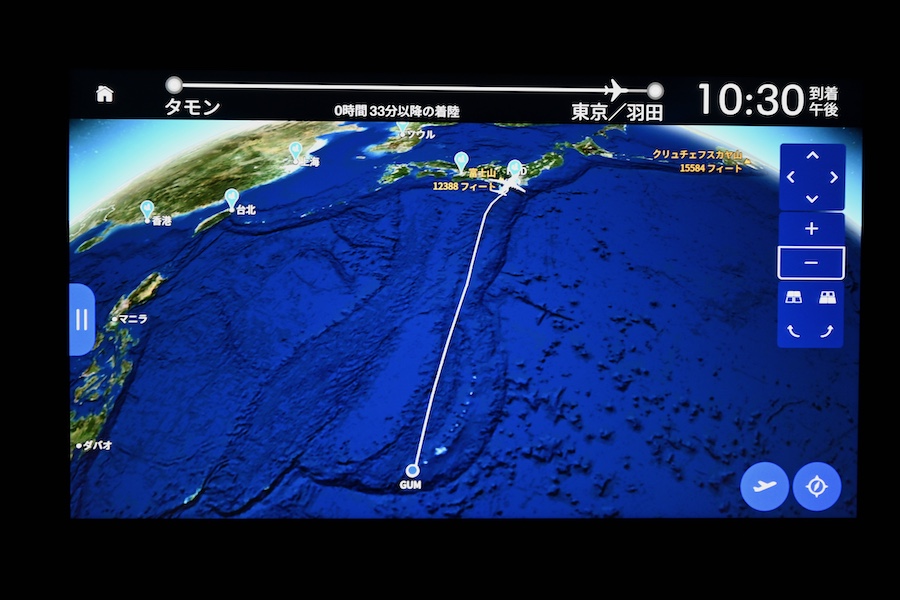
On this occasion, I was able to fly on N27304, which was deployed on flight UA849 from Guam to Tokyo/Haneda. Below is a cabin report based on photos taken during the unveiling event held in Guam.
*For the previous cabin report on the 737-800, see this article.
Cabin Optimized for Short-Haul Routes
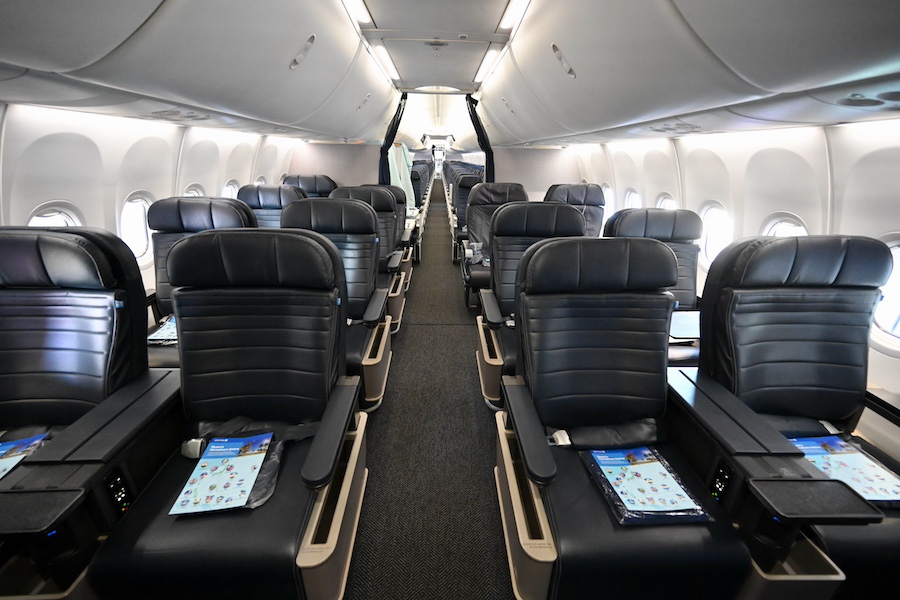
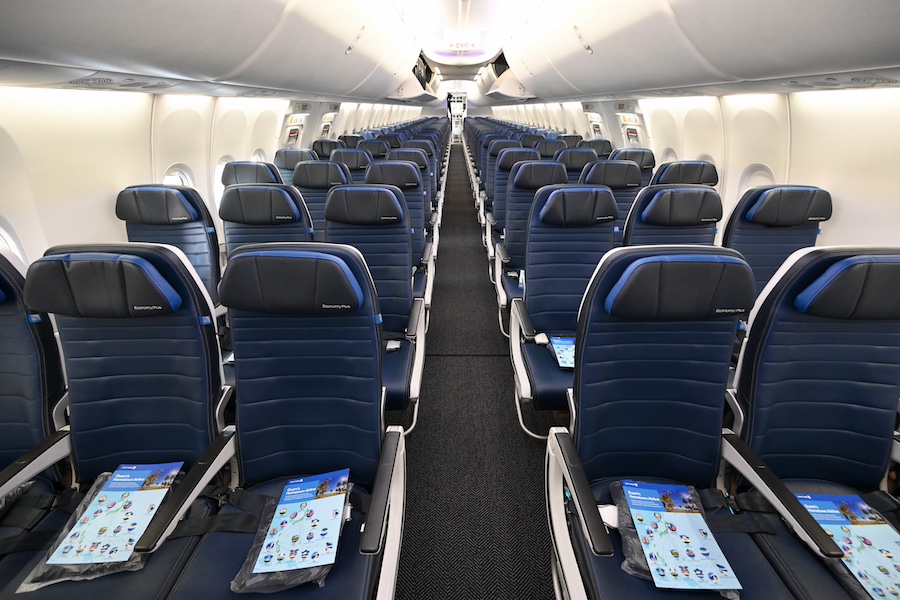
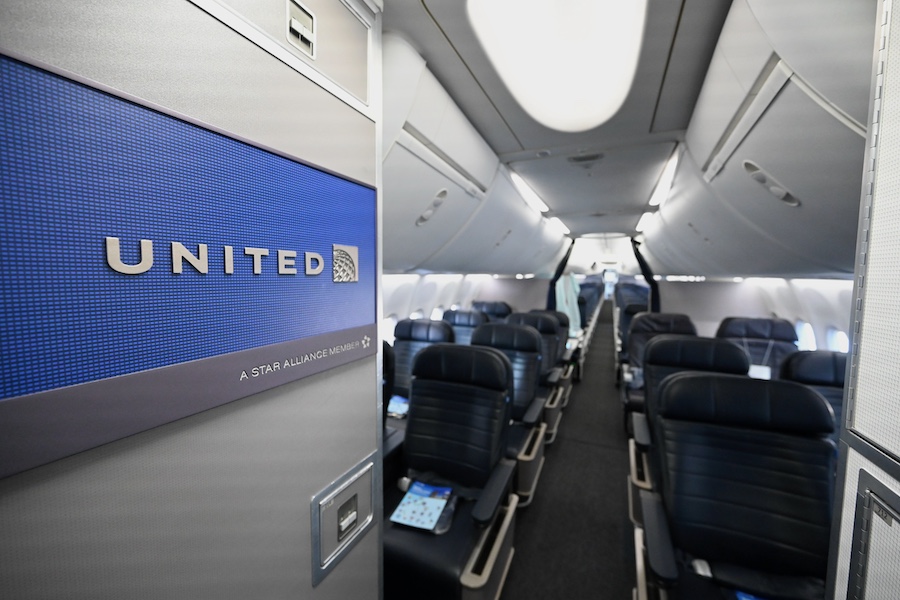
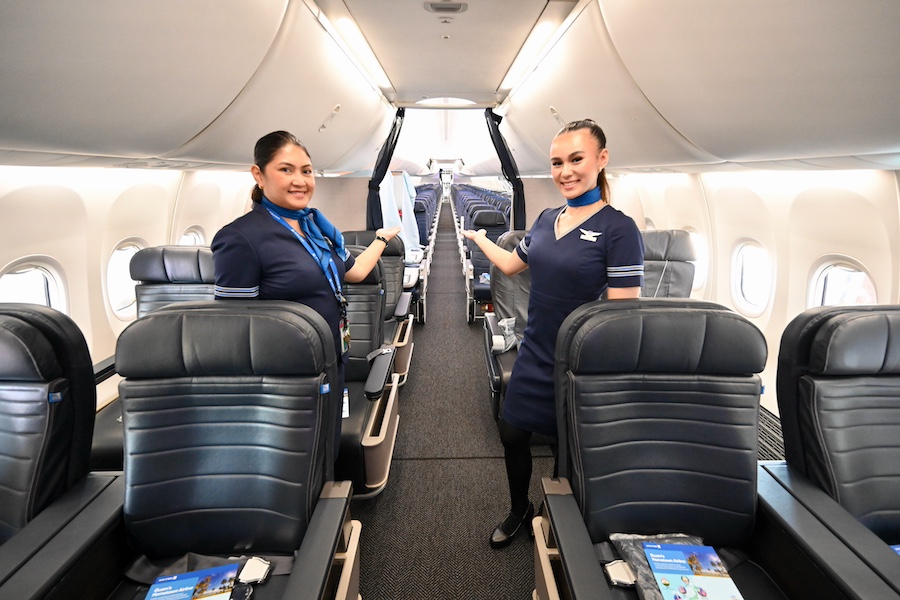
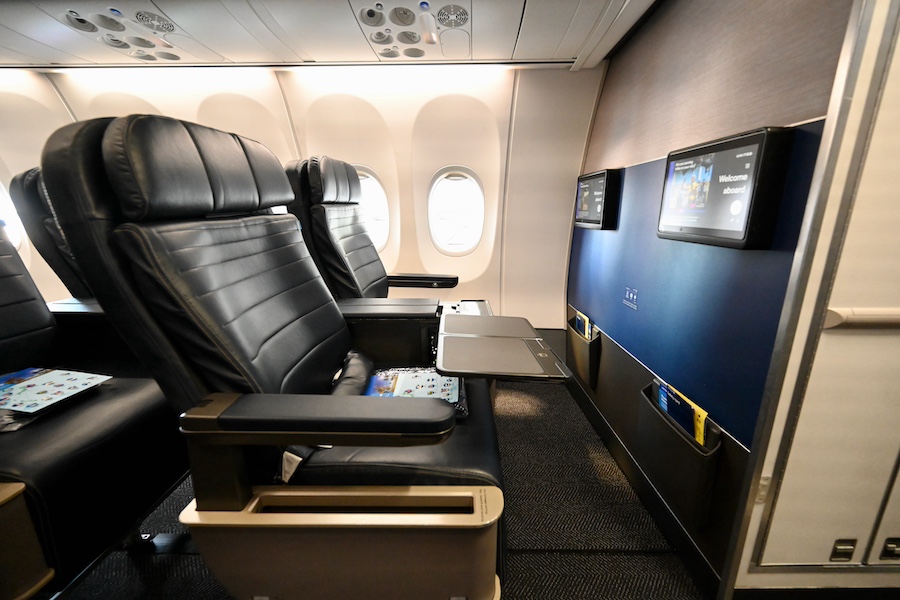
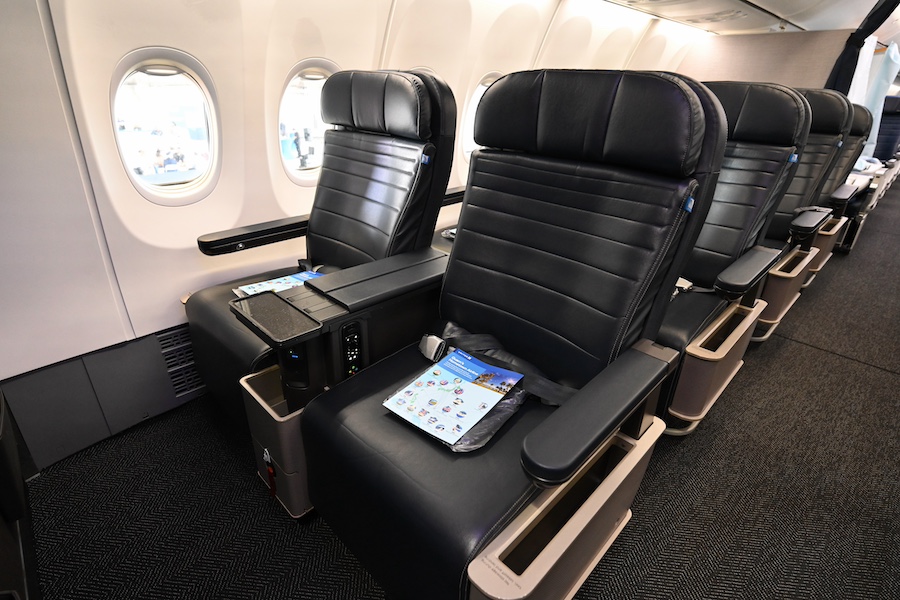
The refurbished cabin is configured in two classes, with 14 business class seats in a 2-2 layout and 150 economy class seats in a 3-3 layout, for a total of 164 seats. The conventional Guam-based 737-800 and the 737-8 configured for North America have 166 seats in total, with 16 business class and 150 economy class seats. On the Guam-configured 737-8, two business class seats were removed to make room for a crew rest area in part of the cabin.
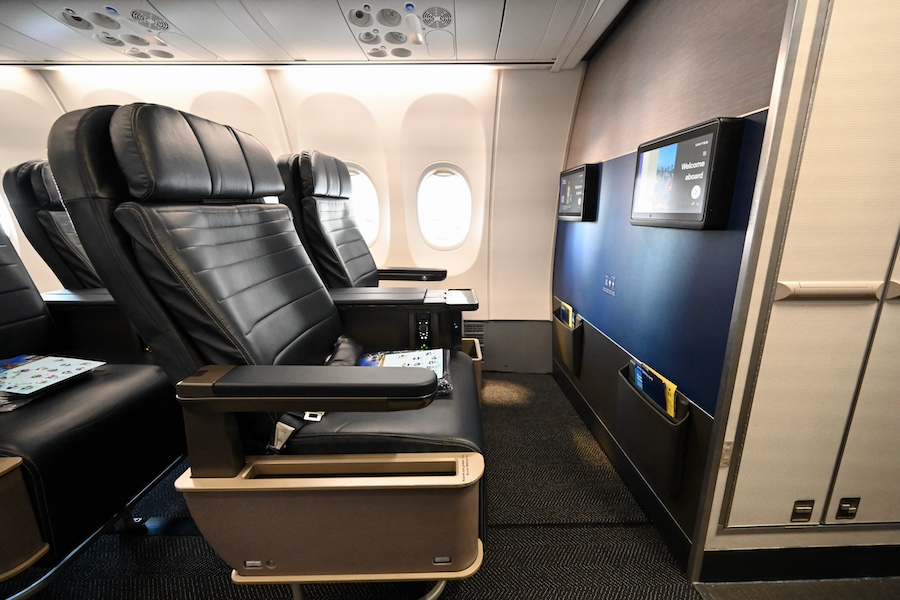
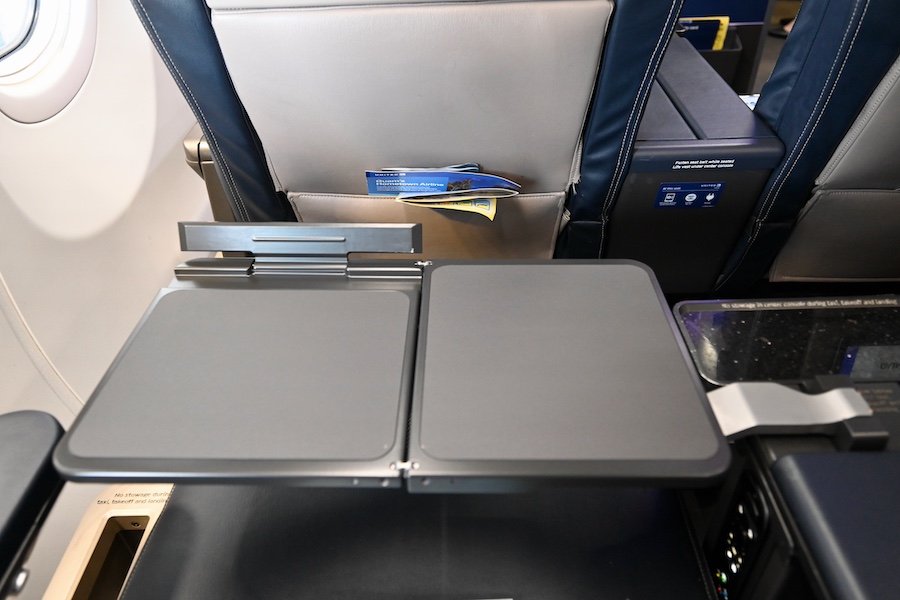
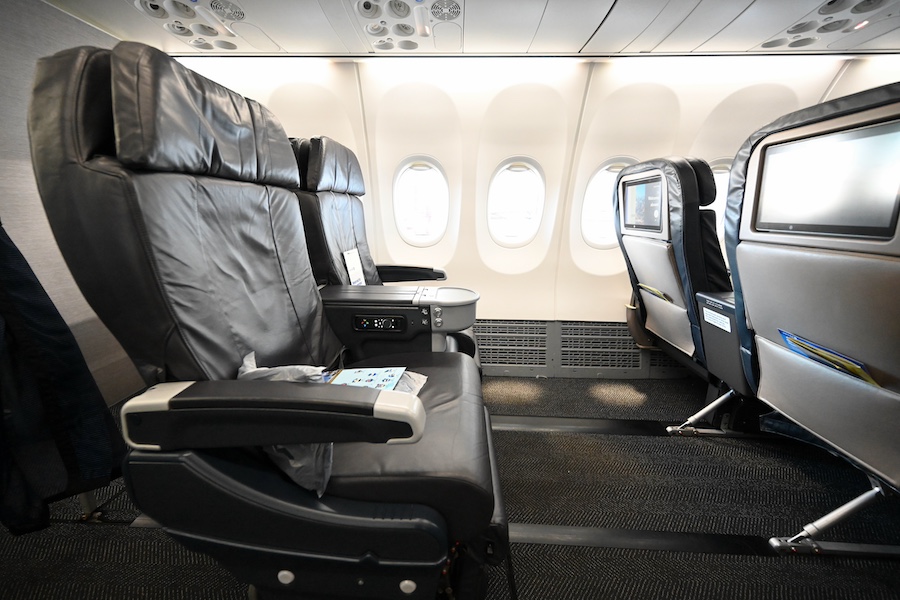
The business class cabin has an asymmetrical layout when viewed from the nose of the aircraft, with three rows on the right side (A/B side) and four rows on the left side (E/F side. The seats are the same specification as “United First,” the first class product on United’s domestic routes within the United States. There are no legrests or footrests, but the large table makes it comfortable to work on a laptop. Seats 3A and 3B double as crew rest seats and therefore differ in specification from the other seats. Seat pitch is 93 centimeters (144 centimeters only for 3A/3B), and seat width is 51 centimeters.
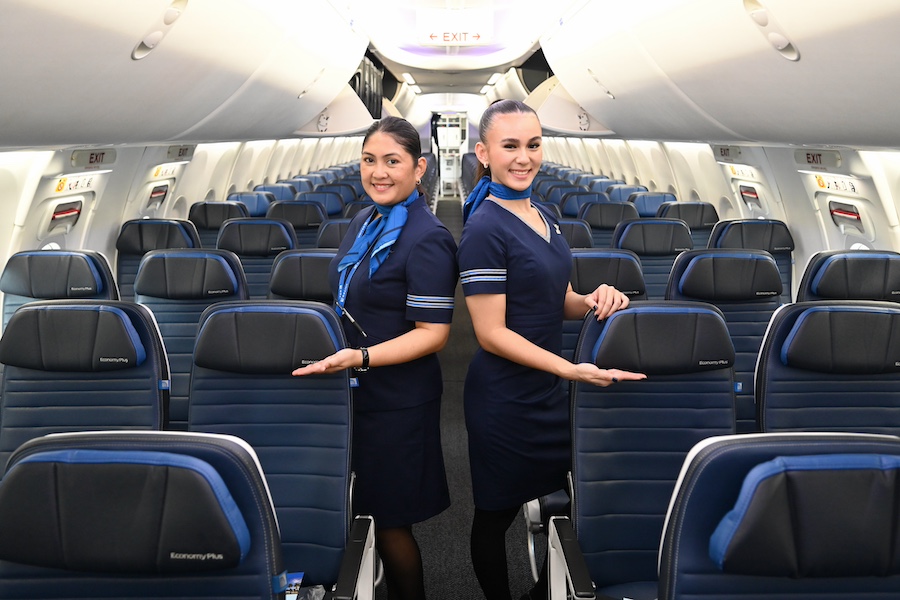
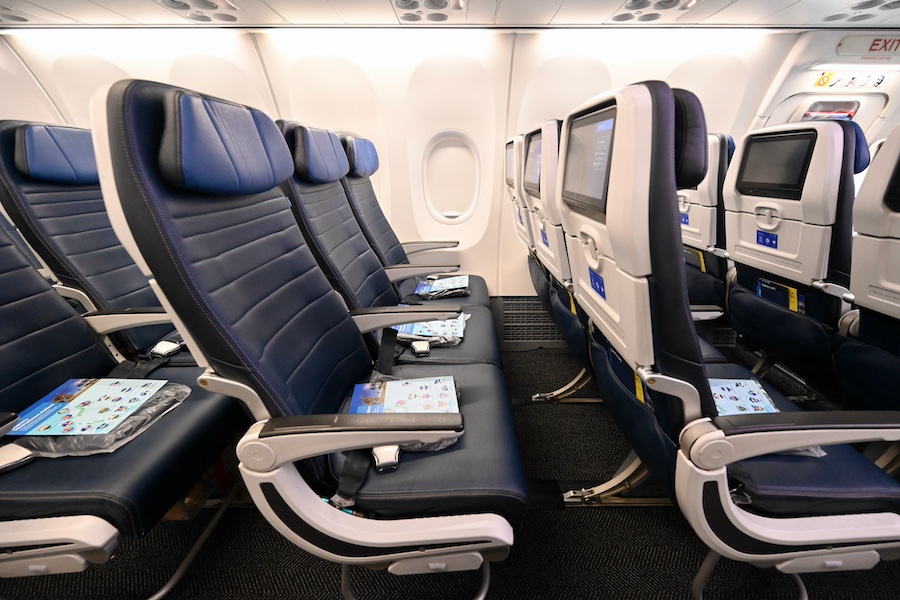
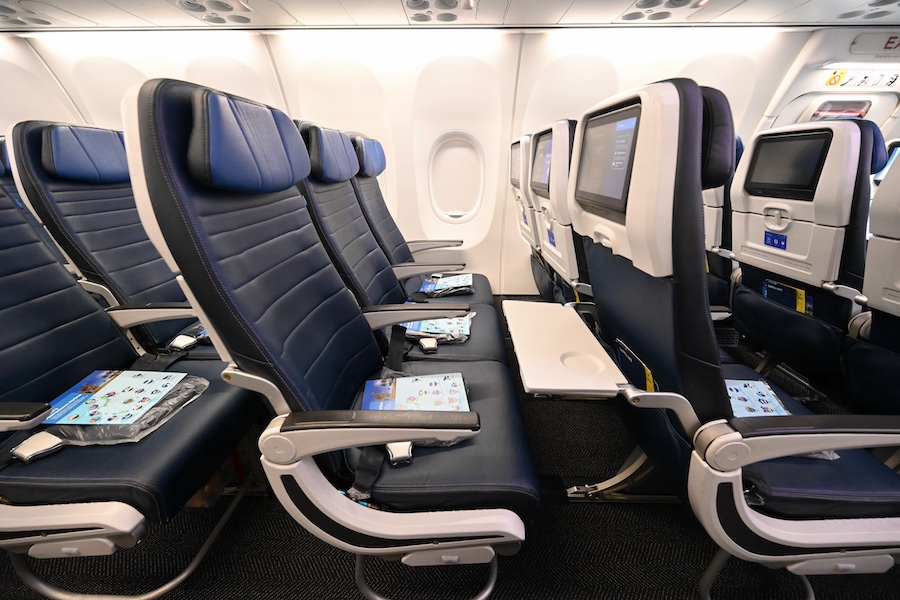
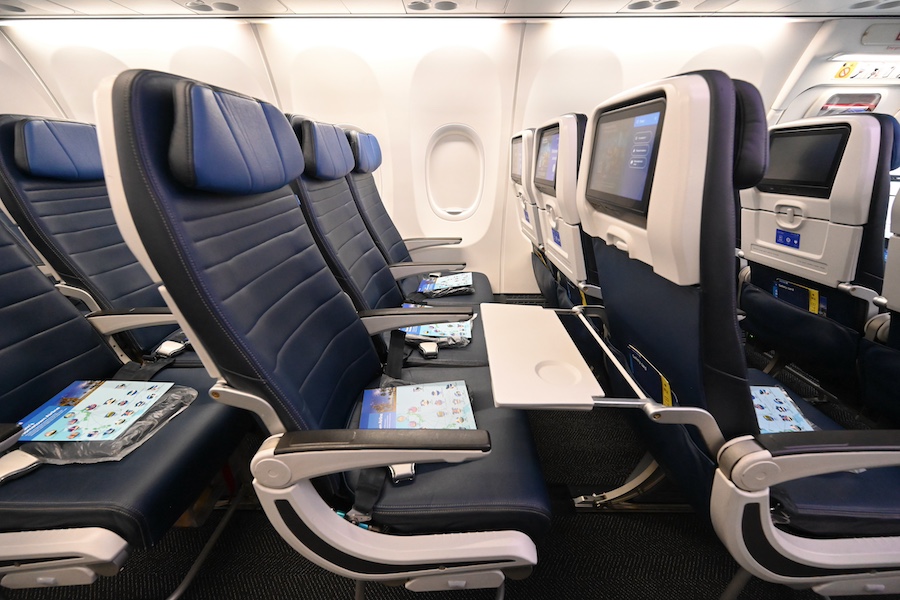
Economy class runs from rows 7 to 38 (with some row numbers skipped), with rows 20 and 21 being the exit rows. The first nine rows of economy are designated “United Economy Plus,” with more legroom than standard economy seats. United Economy Plus has a seat pitch of 83–96 centimeters and a seat width of 45 centimeters. Regular economy has a seat pitch of 76 centimeters and a seat width of 42.16–45.21 centimeters. The last row, row 38, has restricted recline, so passengers who usually prefer to select the last row (as I do) should be aware of this.
In both business and economy class, the ends of the headrests can be folded inward to support your head firmly, which is a welcome feature.
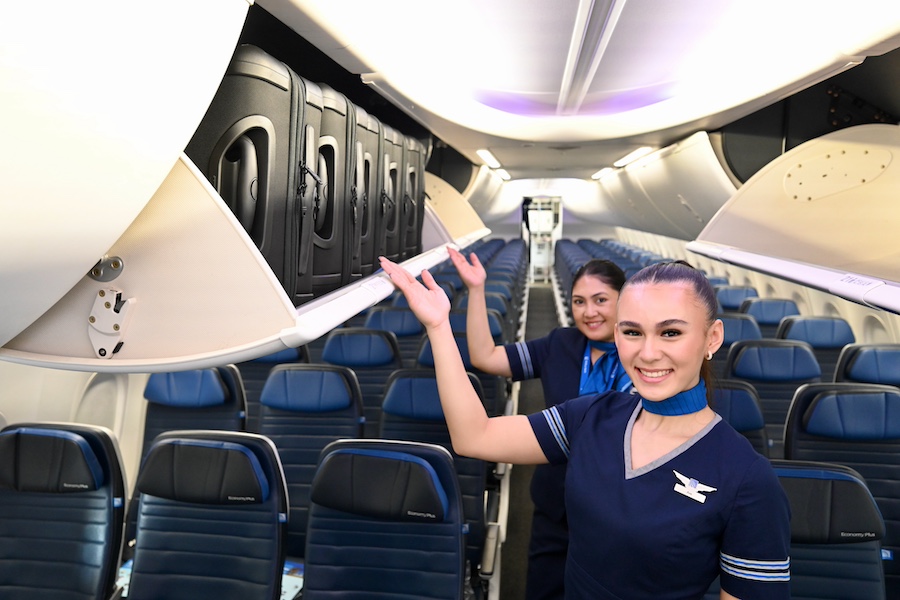
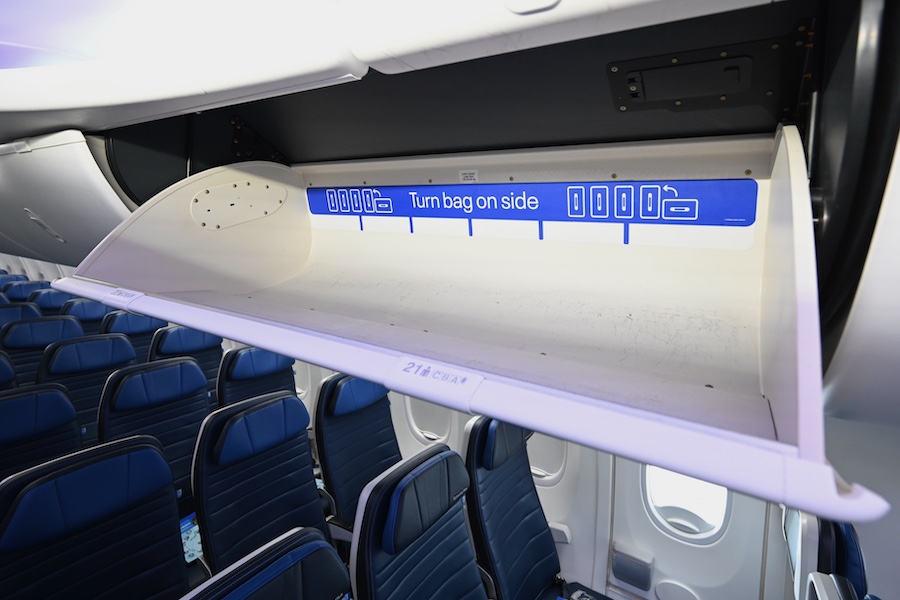
▲The overhead bins are larger than on the 737-800. Each bin can hold up to five large suitcases
IFE Dramatically Upgraded from a “Retro” Setup
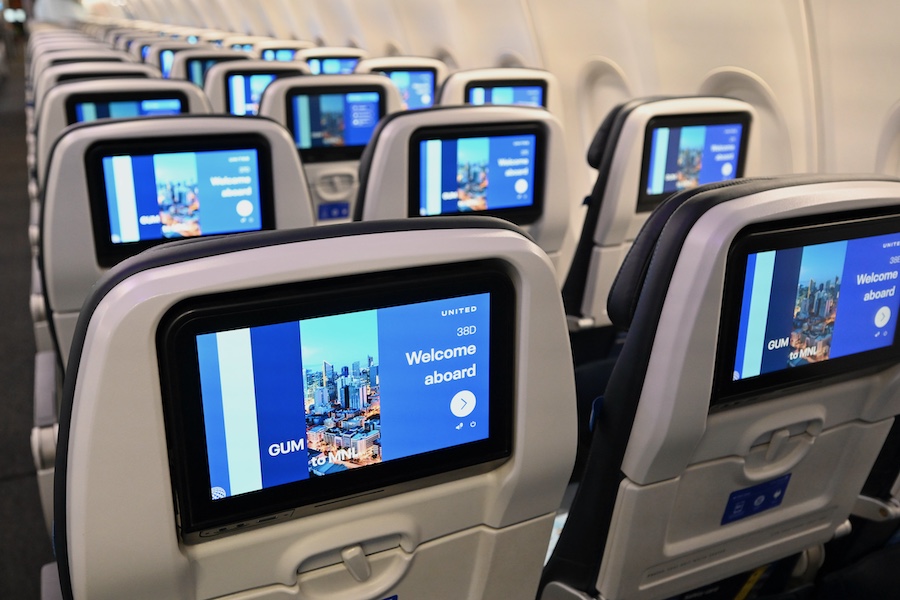
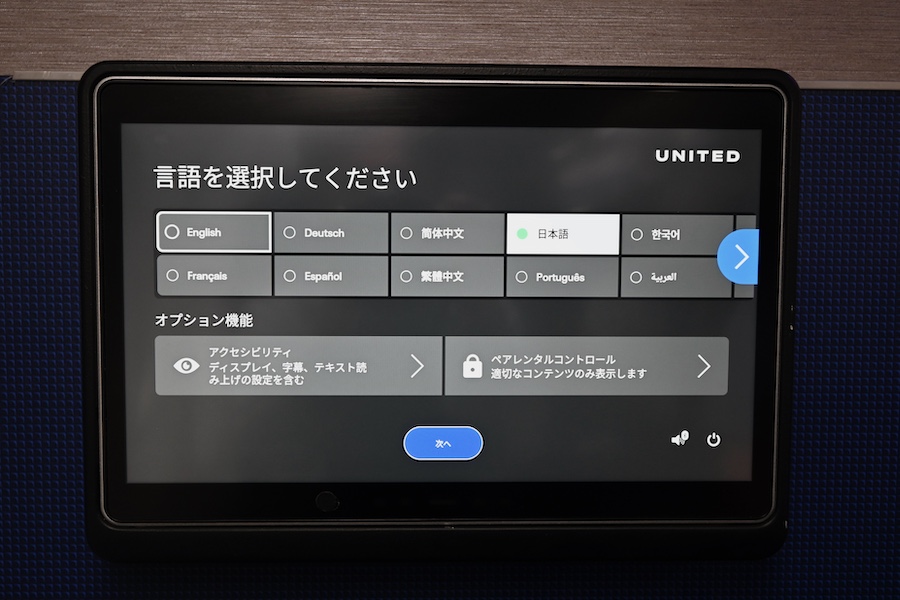
One of the major changes on board is the in-flight entertainment system (IFE). On the previous 737-800, passengers tuned into continuously playing channels, similar to traditional television, giving the system something of a retro feel. In contrast, the 737-8 features an on-demand system, allowing passengers to start, pause, and resume movies, TV programs, and other content whenever they like.
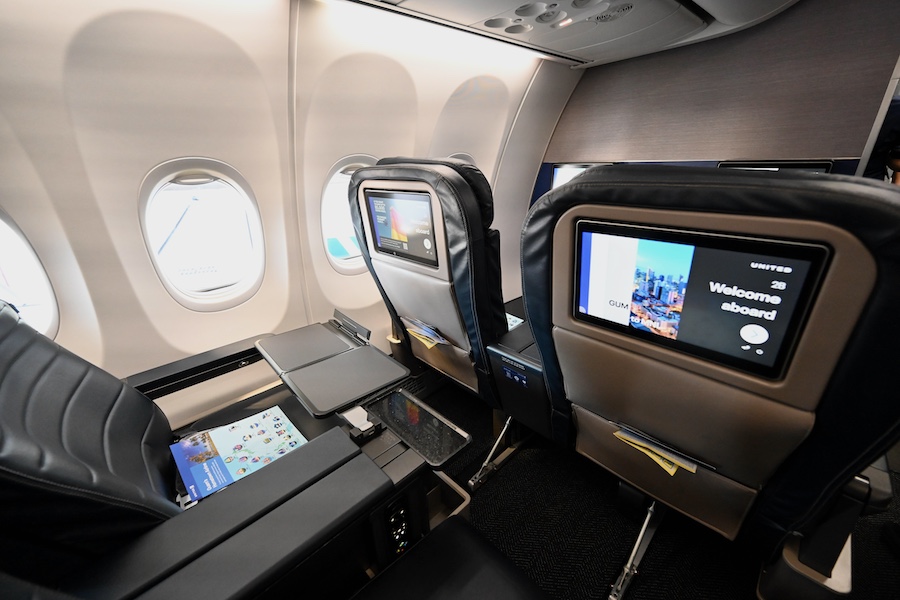
▲13-inch HD monitor in business class. The IFE supports 16 languages including Japanese, and offers more than 1,400 content options
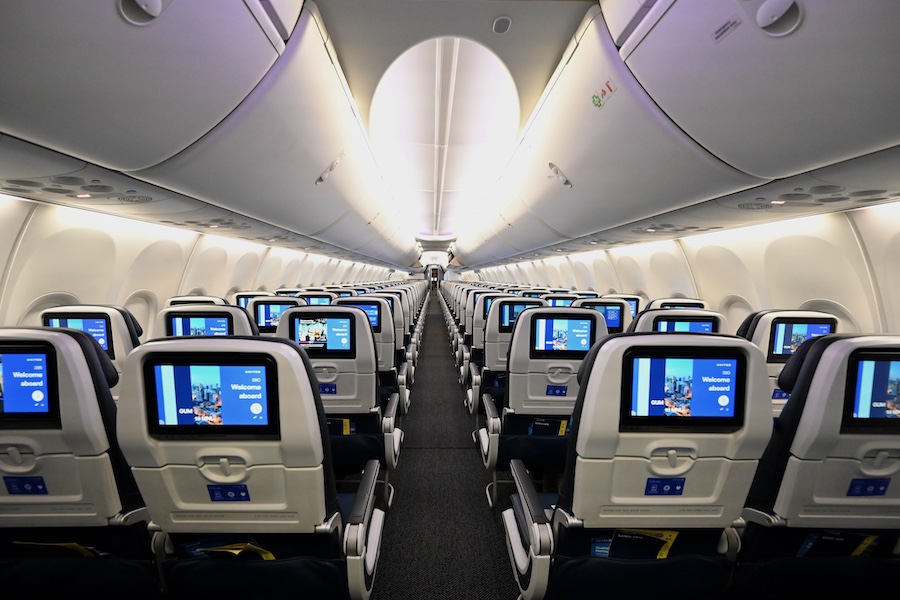
The personal monitors are larger than those on the 737-800, at 13-inch HD in business class and 10-inch HD in economy. The system also supports Bluetooth connections for wireless earphones.
▲10-inch HD monitor in economy class
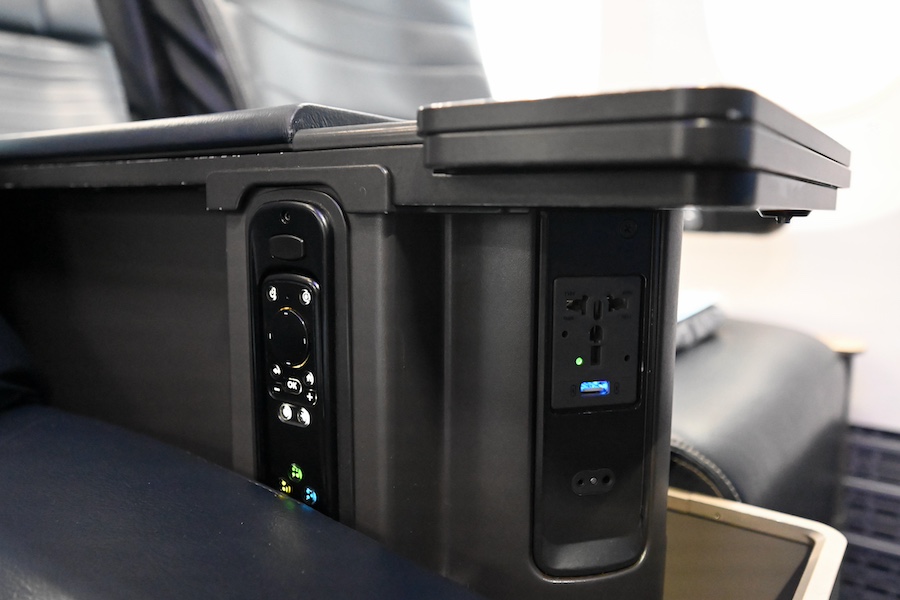
In addition, almost all seats, including those in economy, are equipped with USB power outlets, and in-flight Wi-Fi is available. At present, a plan allowing the use of messaging apps such as LINE and WhatsApp is free of charge, while standard internet access costs 10 US dollars per flight. United Airlines plans to equip its entire fleet with Starlink by the end of 2027, at which point MileagePlus members will be able to use it free of charge.
Tokyo/Narita Flights to Be Switched by Late August
The 737-8 will officially enter service on the Guam–Tokyo/Narita route starting with the April 30 flight from Guam to Tokyo/Narita. United Airlines uses Guam-based aircraft and crew to operate routes from Tokyo/Narita to Saipan, Cebu, Ulaanbaatar, Kaohsiung, and Koror. From the same date, the 737-8 will also be introduced on the Tokyo/Narita–Ulaanbaatar route, and from May 2 on the Tokyo/Narita–Koror route. All Tokyo/Narita flights operated by Guam-based aircraft are expected to be switched to the new type by late August, and all remaining flights operated by the Guam fleet, including Tokyo/Haneda, Nagoya/Chubu, and Osaka/Kansai–Guam routes, are expected to be switched by the end of December. (21 photos follow)
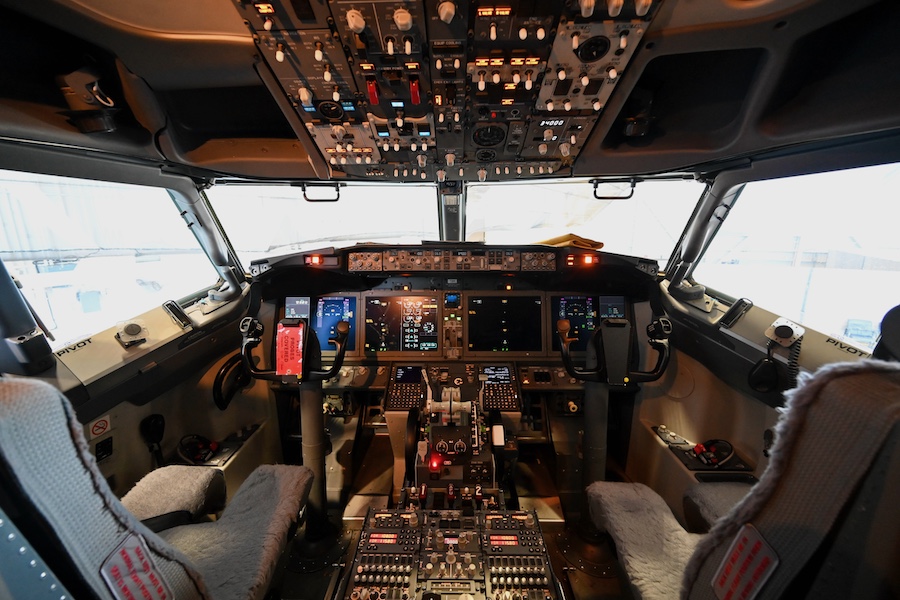
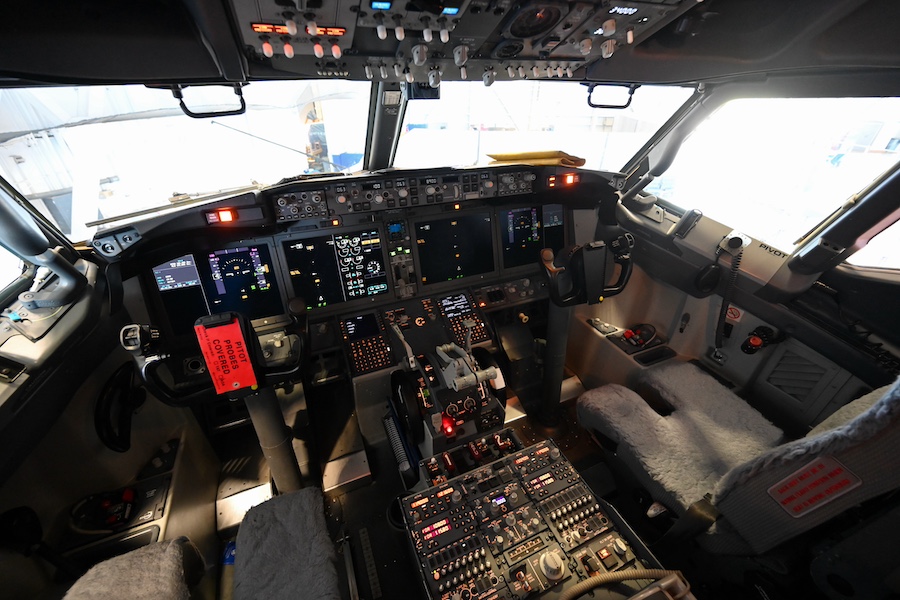
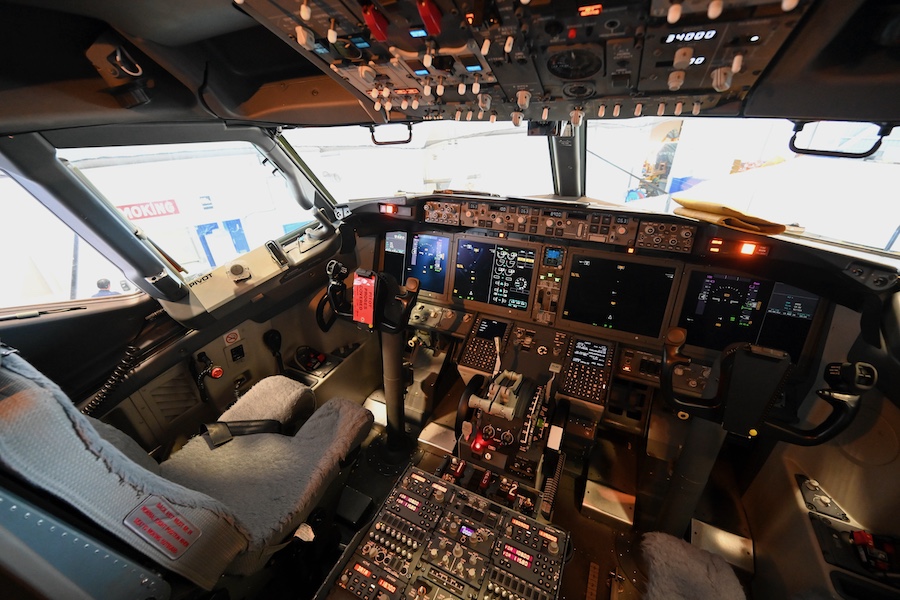
Cockpit
Business Class
▲Seats 3A and 3B, which double as crew rest seats
Economy Class
▲Stretcher installed in the forward section of economy class
Galley
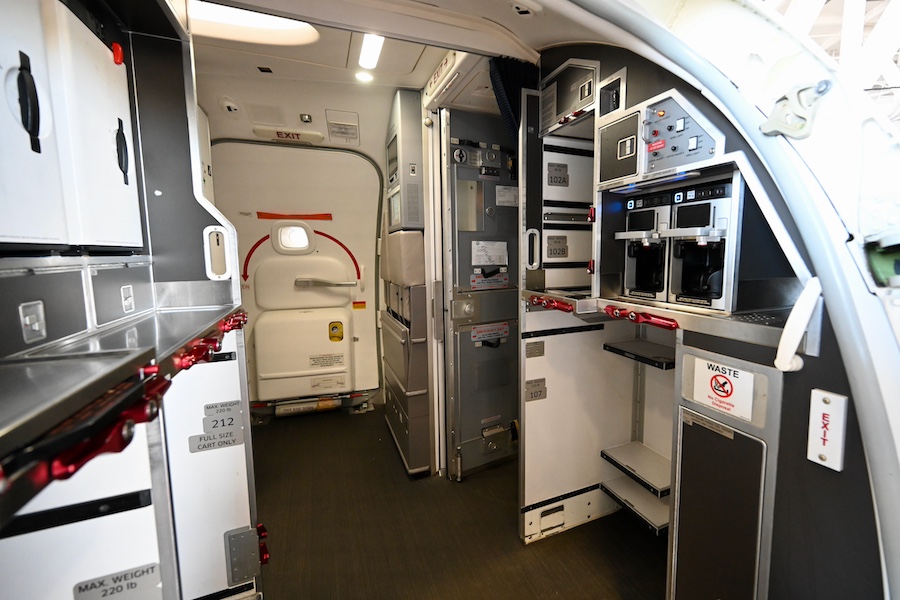
▲Forward galley
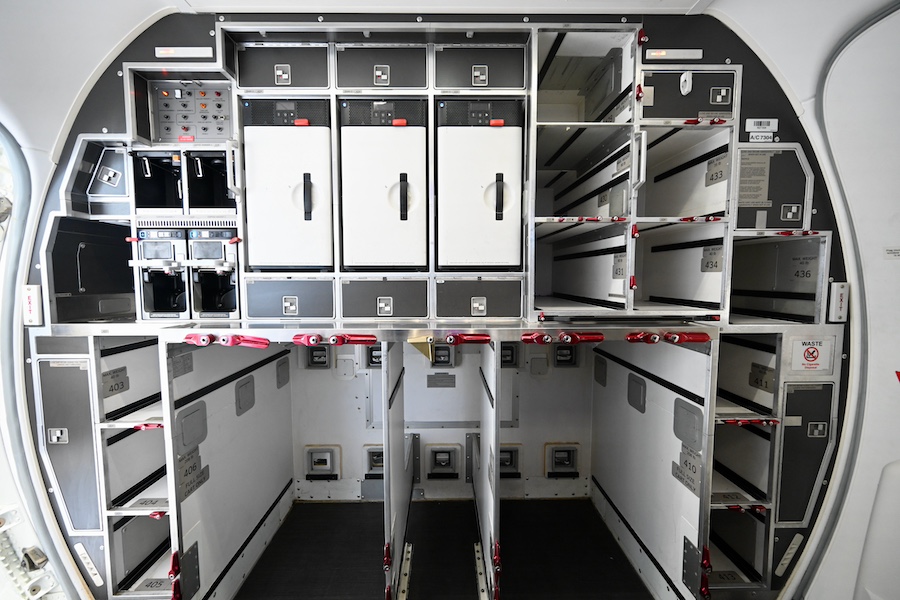
▲Aft galley
Notice
This article was generated using automatic translation by GPT-4 API. The translation may not be accurate.