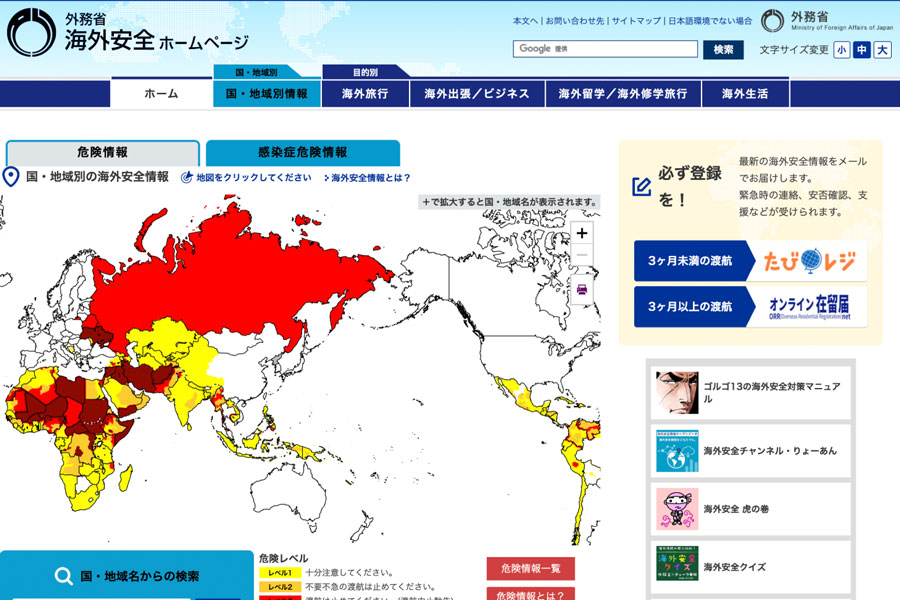
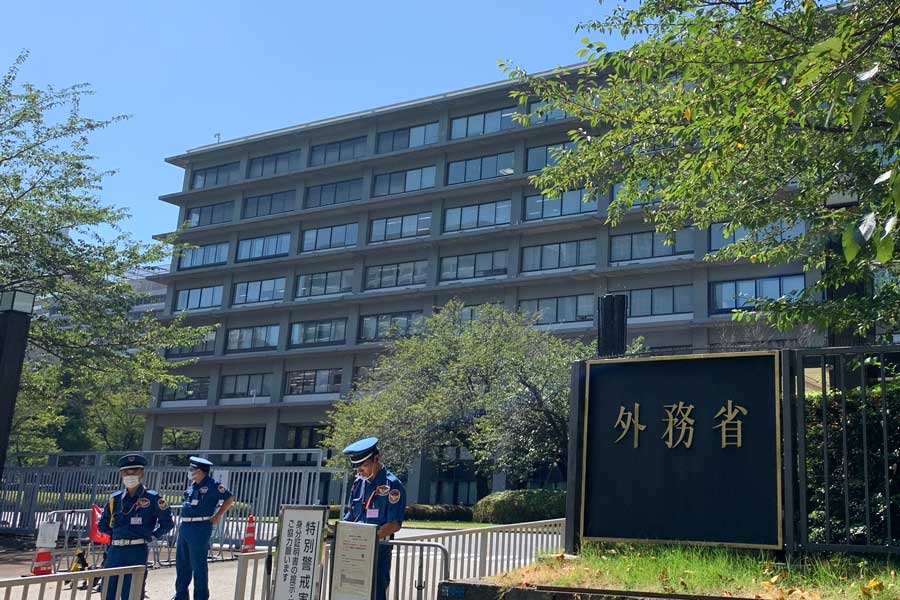
The Embassy of Japan in Russia has issued an advisory regarding recent problems in Russia, including lengthy questioning of Japanese nationals upon entry into the country and the freezing of fixed-term deposit accounts at Russian banks.
There have recently been reports of Japanese nationals being detained and questioned for several hours by officials at airports and other points of entry when entering Russia. In addition, as drone incursions at airports frequently result in landing restrictions and flight delays, the embassy recommends allowing ample time for plans after arrival and taking into account the possibility of being unable to promptly contact those meeting them.
Meanwhile, the embassy has also received multiple inquiries from people whose fixed-term deposit accounts at Russian banks have been frozen, leaving them unable to withdraw their funds. Initially, it was said that accounts with deposits of 10 million rubles or more were affected, and that responses varied by bank. However, cases of accounts being frozen despite deposits of less than 10 million rubles have also been reported. As many aspects of how such accounts will be handled in the future remain unclear, the embassy recommends that holders of interest-bearing deposit accounts check with their bank branches or other relevant contacts.
According to the Japan External Trade Organization (JETRO), if the combined principal and interest exceed 10 million rubles, the amount exceeding that threshold is transferred by the bank to a special settlement account known as a “Type C account.” Funds transferred to a Type C account are subject to strict restrictions on their use and are effectively frozen.
As some Russian banks allow foreigners to open accounts, many Japanese nationals opened accounts before the Russia-Ukraine war. Ruble-denominated deposits offered high interest rates, and internationally branded debit cards could be issued. Sberbank, one of Russia’s major financial institutions, offers annual interest rates of up to 13.5%.
The Embassy of Japan in Russia said it has urged Russian authorities to improve the situation in both cases from the standpoint of protecting Japanese nationals. However, it warned that the uncertain situation may continue for the time being.
Notice
This article was generated using automatic translation by GPT-4 API. The translation may not be accurate.