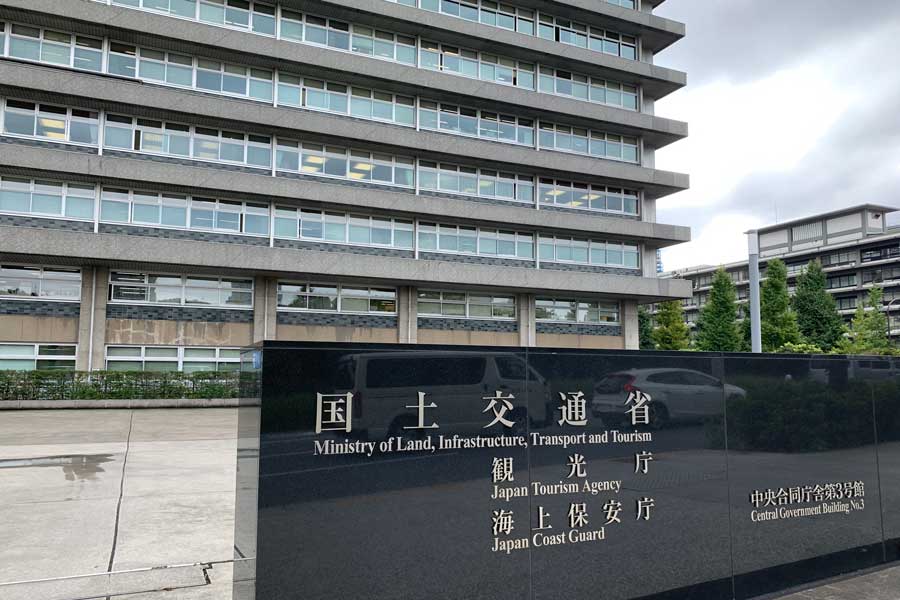
On July 15, the Japan Tourism Agency, the Ministry of Land, Infrastructure, Transport and Tourism, and the Ministry of Health, Labour and Welfare notified local governments of “Zero-Day Restrictions and Other Measures for Notified Homes under the Private Lodging Business Act (Technical Advice).”
Under local ordinances, private lodging facilities may be subject to restrictions tailored to local conditions. Examples cited include so-called “zero-day restrictions,” which regulate where facilities may be located, and requirements for ICT-based management.
Regarding zero-day restrictions, the guidance indicates that, in residential areas and areas surrounding educational facilities where an expansion of private lodging businesses is expected and there is a risk of harming the quiet residential environment or the wholesome environment of educational facilities, local governments may prohibit the operation of new private lodging businesses or limit permissible operating days to weekends, days before public holidays, and similar days. New private lodging businesses may also be prohibited where there is a risk that maintaining the settled population and local community will become difficult.
Where many private lodging facilities are already located and adverse effects have actually occurred, restrictions may also be imposed on existing private lodging facilities, following a certain grace period, including prohibiting their operation or limiting permissible operating days.
With regard to mandatory ICT-based management, the guidance states that local ordinances could require, particularly in densely built-up urban areas, the installation and monitoring of noise meters and cameras at entrances and exits, as well as the retention of data for a certain period. This would enable the prompt and accurate identification of incidents that lead to complaints and allow operators to take proactive action against nuisance behavior.
Other reasonable regulations suited to local conditions may also be introduced, including restrictions on check-in and check-out times and caps on guest capacity.
The contents of the notification are expected to be reflected in the “Guidelines for the Enforcement of the Private Lodging Business Act” in the future.
Notice
This article was generated using automatic translation by GPT-4 API. The translation may not be accurate.