On August 8, JR Central operated the Tokaido Shinkansen “Tokaido Lumiere Express,” departing Tokyo Station at night and arriving at Shin-Osaka the following morning after midnight. It was the company’s first time operating a revenue service that travels “through the night” on the Tokaido Shinkansen.
Normally, the last westbound train between Tokyo and Shin-Osaka is Nozomi 293, which departs Tokyo at 9:24 p.m. and arrives at Shin-Osaka at 11:45 p.m. The first train is Nozomi 1 bound for Hakata, departing Tokyo at 6:00 a.m. and arriving at Shin-Osaka at 8:22 a.m.
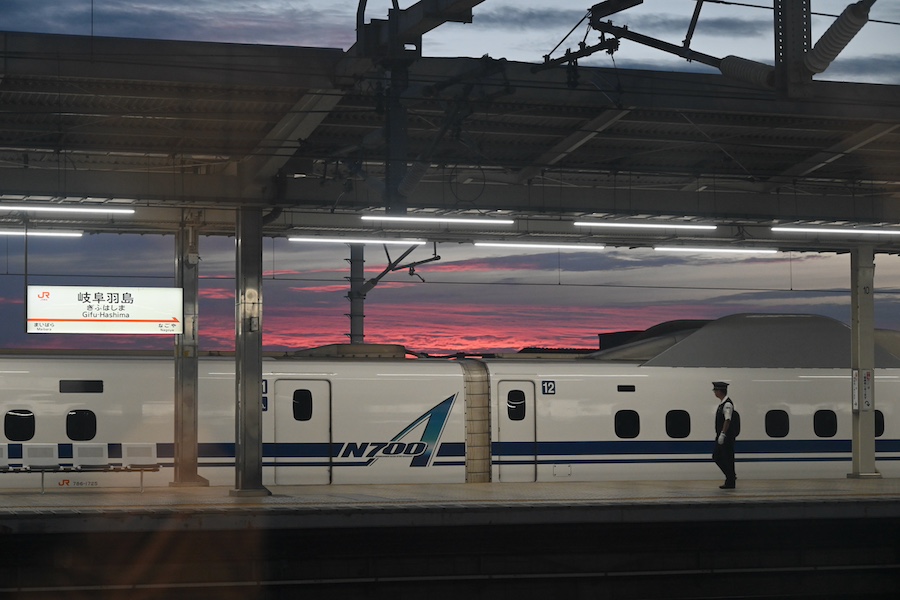
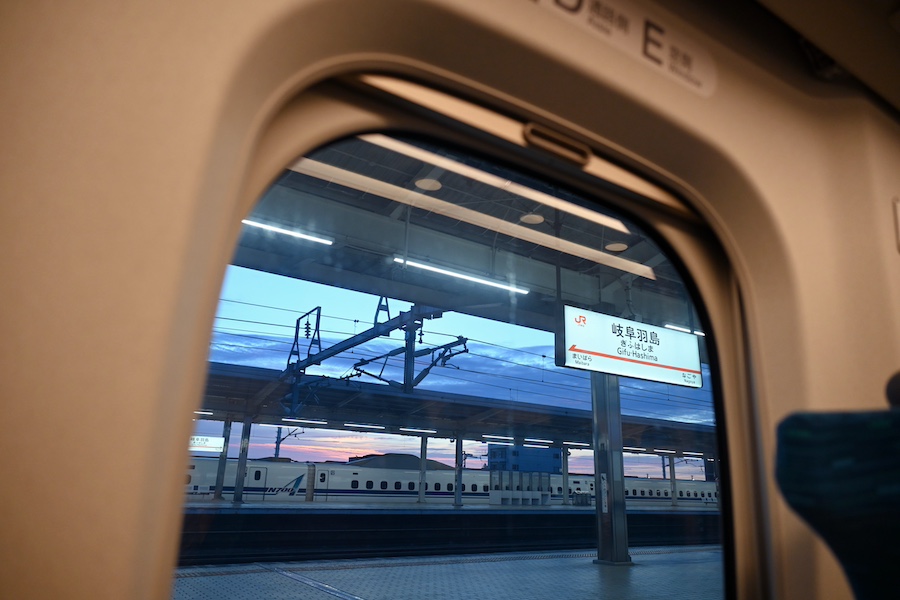
The Lumiere Express was designed to fill this “gap” in the timetable. It departed Tokyo Station at 10:00 p.m. and arrived at Shin-Osaka at 6:59 a.m. the following morning. Its schedule allows passengers to leave Tokyo later than the usual final train and arrive in Shin-Osaka earlier than the first train. From late night until early morning, it stopped at Gifu-Hashima Station for approximately six and a half hours. The doors were opened twice, for around 30 minutes each after arrival and before departure, allowing passengers to use the station’s vending machines and smoking area.
On the Tokaido Shinkansen, revenue trains cannot operate between midnight and 6:00 a.m. because of track and facility maintenance work and noise-control measures along the line. The Lumiere Express achieved its night-departure, morning-arrival schedule through the reverse concept of stopping at an intermediate station overnight rather than running during those hours.
“Lumiere,” the train’s name, means “light” in French. JR Central says the service’s feature of allowing passengers to make effective use of their time at their destination from the morning was associated with images of “morning light” and “the start of a new day.”
All seats were sold as JR Central Tours travel packages. The fare from Tokyo or Shinagawa to Shin-Osaka was 15,000 yen in Ordinary Class. Only window seats (A and E seats) were sold, with B, C, and D seats left unavailable, ensuring that no other passenger would be seated next to passengers. Green Car seats were priced at 20,000 yen, with only window seats (A and D seats) available. Of the 16 cars, six cars—Ordinary Class cars 12 through 16 and Green Car 10—were sold as women-only cars.
August 8, the date of operation, fell during Japan’s peak travel period. A regular Shinkansen trip between Tokyo and Shin-Osaka on that day would cost 15,120 yen in base fare and limited express charges. The Lumiere Express was priced below that amount, while offering the major benefit of allowing travelers to begin their activities in Osaka the next morning without needing to stay overnight the previous evening. While its price range and facilities differ from those of overnight buses, it offers a new option for people seeking to travel at night and begin their day in the morning.
All 502 available seats, including 100 Green Car seats, sold out within two days of sales opening at 2:00 p.m. on July 3.
An Unusual Nine-Hour Tokaido Shinkansen Journey
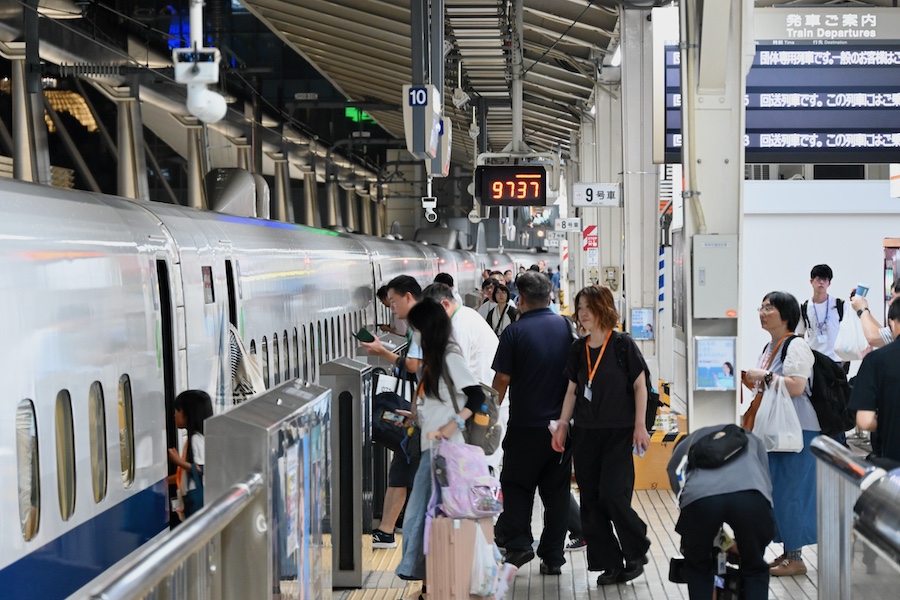
At around 9:54 p.m. on August 8, an N700A G48 trainset entered Track 19 at Tokyo Station. The platform was filled with a wide range of passengers, from apparent railway enthusiasts and families to female travelers who appeared to be returning from concerts or events.
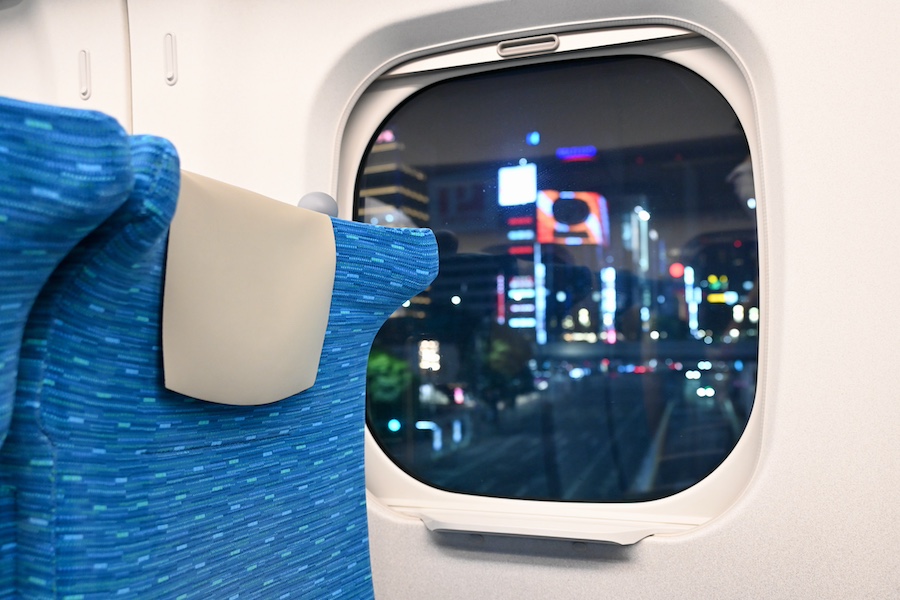
At 10:00 p.m., the train departed Tokyo on schedule. After picking up passengers at Shinagawa and Shin-Yokohama, it headed toward Shin-Osaka.
After departing Shin-Yokohama, an announcement unique to this train played onboard.
“Thank you for traveling on the special ‘Lumiere Express’ today. Our next stop, Gifu-Hashima, will be reached at 11:43 p.m.; Kyoto at 6:44 a.m. tomorrow; and our final destination, Shin-Osaka, at 6:59 a.m.”
Even Nagoya, where all regular trains normally stop, was only a technical stop for the Lumiere Express. An announcement stated, “The doors will not open at Nagoya. We will stop for just over one minute,” giving passengers a sense that this was a journey somewhat different from a usual Tokaido Shinkansen trip.
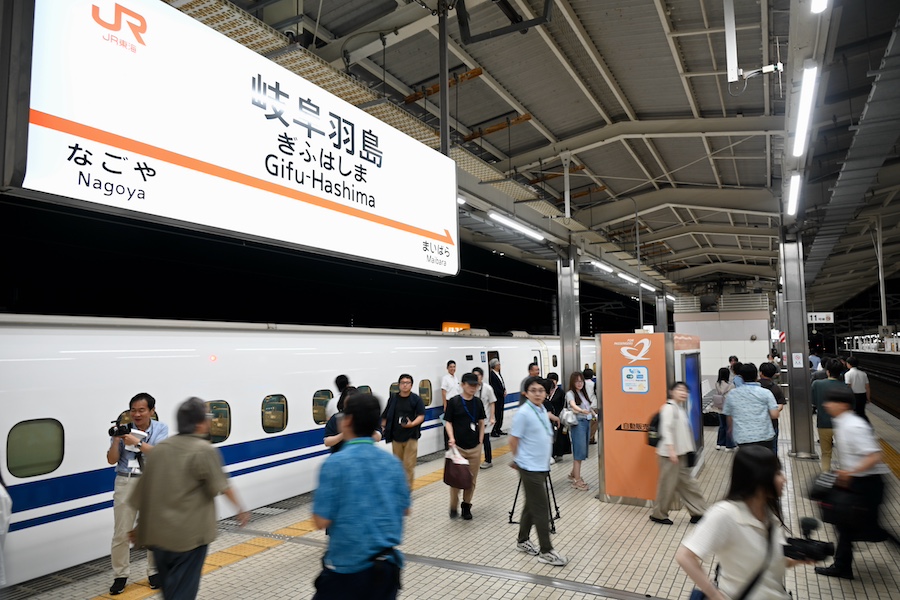
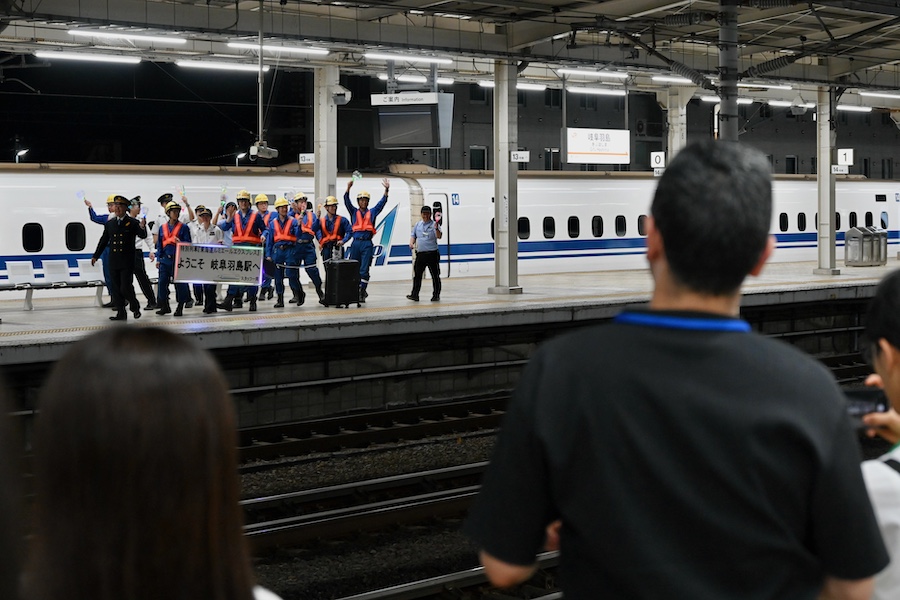
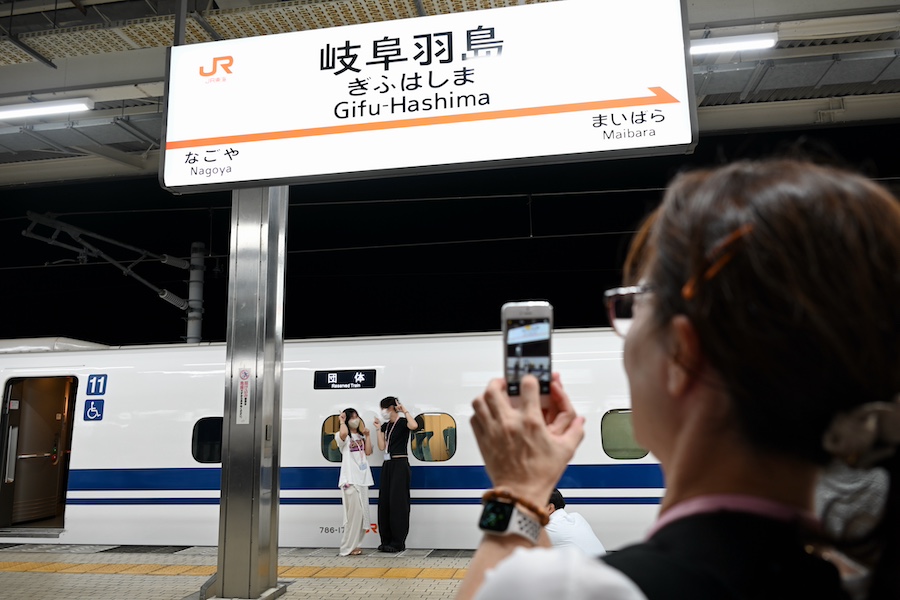
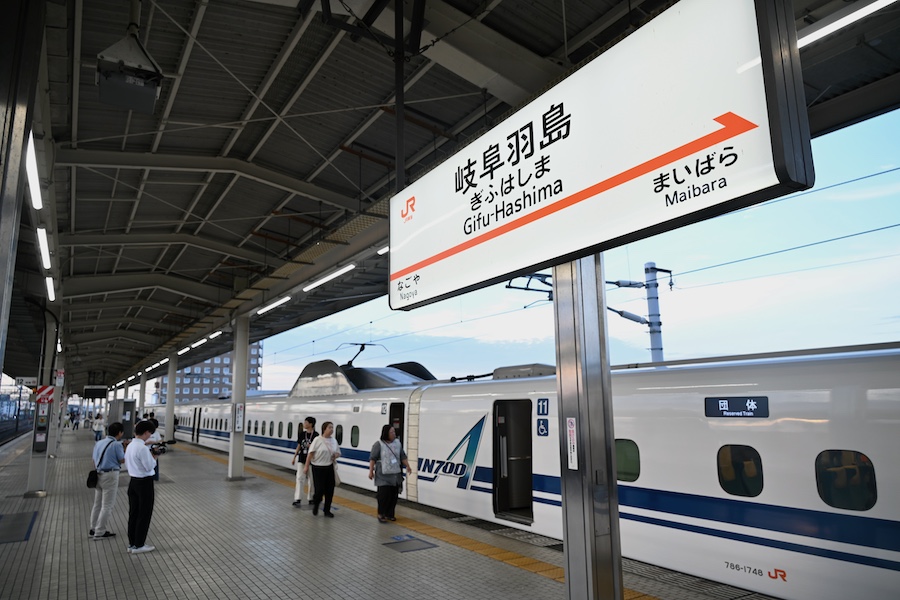
At 11:43 p.m., the train arrived at Gifu-Hashima. It would not move again until the following morning. The doors were opened for around 30 minutes after arrival, and passengers stepped out onto the late-night platform. Some went to the vending machines to buy drinks, while others took commemorative photos with the station signs.
Once the doors closed, the carriage quickly became quiet. The only audible sound was the hum of the air-conditioning blowers, while outside the station was silent as well.
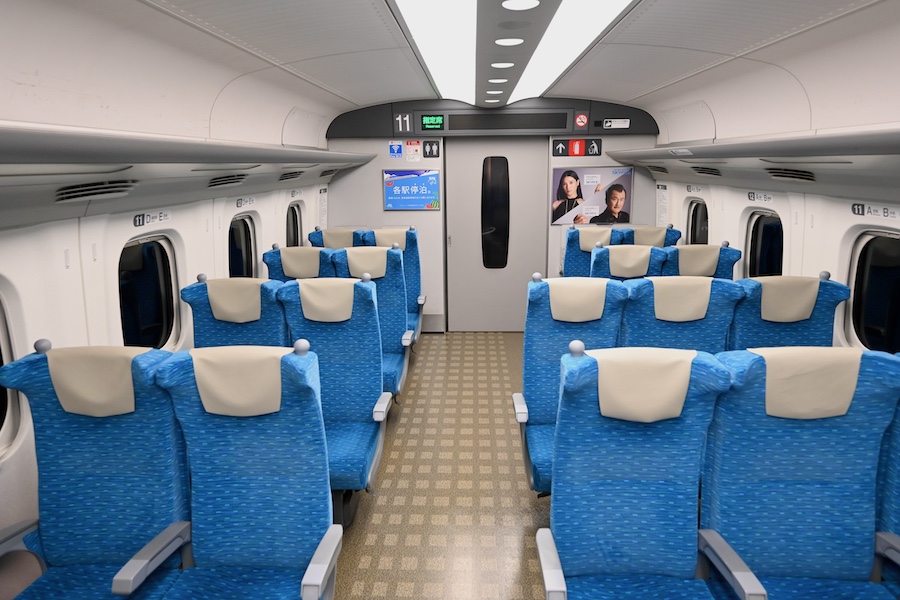
With no other passenger seated beside them, travelers could easily change positions or place their belongings on the adjacent seat, a benefit that was more welcome than expected for spending the night. Train crew and security personnel also patrolled the train regularly, providing a certain sense of reassurance even during the late-night hours.
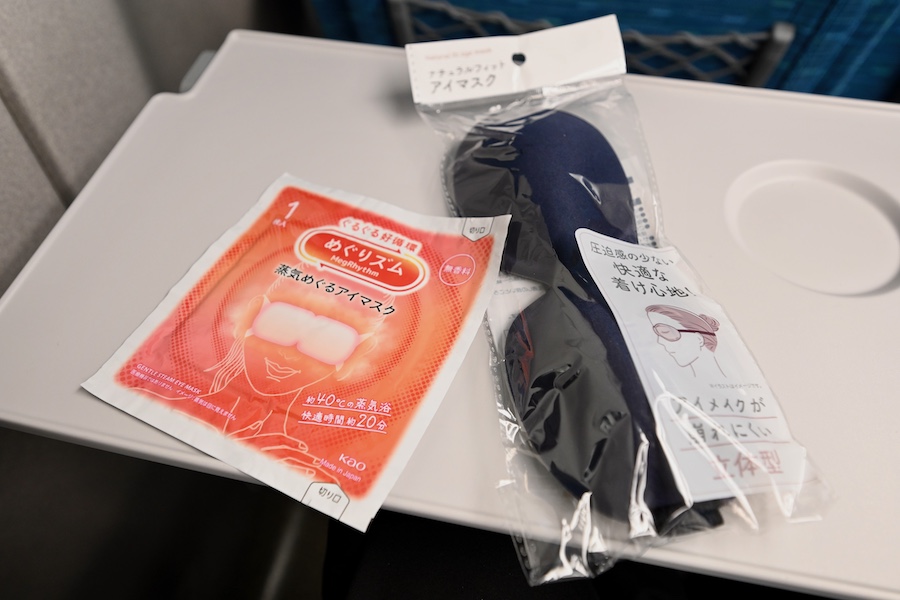
▲ An eye mask is essential for getting a proper night’s sleep
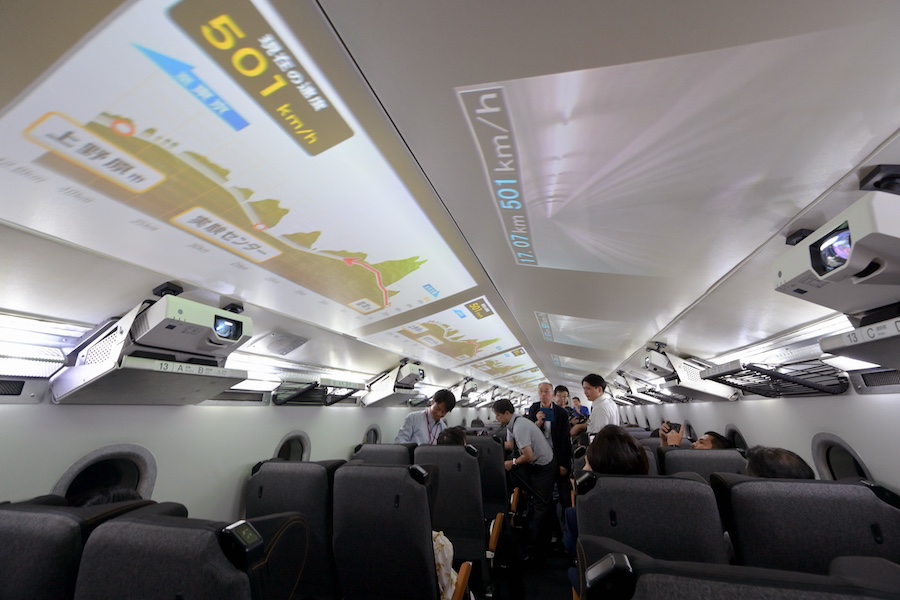
Meanwhile, the interior lights remained on at full brightness rather than being dimmed. Still, spending the night at Gifu-Hashima—a station that Nozomi trains usually race through at high speed—was a distinctly unusual experience. In the carriage for media personnel, some people rested for the next day, others worked quietly, and others shared late-night snacks and light meals. It had an atmosphere unlike that of an overnight bus, reminiscent in some ways of the overnight trains of earlier days.
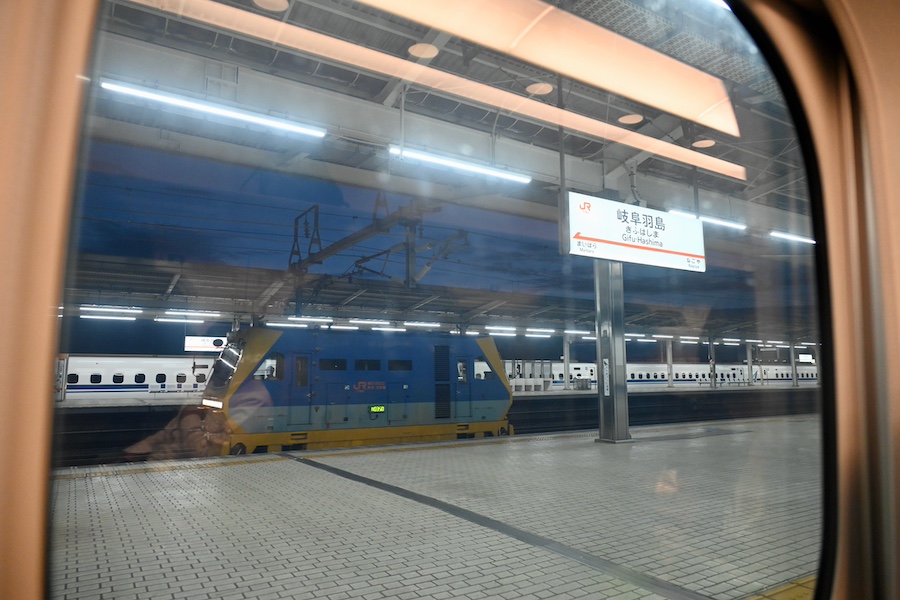
▲ Shortly after 4:00 a.m., a track inspection vehicle passed by to confirm the completion of overnight maintenance work. Beyond the train window, work supporting the safety of the Shinkansen continued as usual.
At 5:25 a.m., the doors opened again. Some passengers emerged onto the platform looking sleepy, some stretched while breathing in the morning air, and others headed to buy drinks. The platform, as the sky began to brighten, had a different atmosphere from the middle of the night.
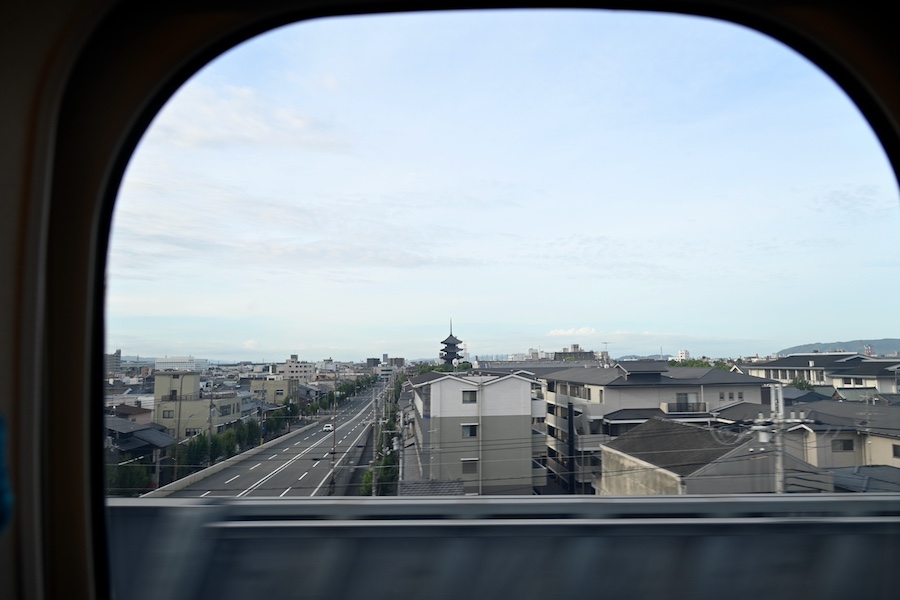
At 6:16 a.m., the train began moving again for the first time in approximately six and a half hours. After leaving Gifu-Hashima, it stopped at Kyoto before arriving at its final destination, Shin-Osaka Station, at 6:59 a.m. The roughly nine-hour journey from Tokyo—and a night aboard the Shinkansen—had come to an end.
“We Will Positively Consider a Second Service”
According to JR Central, the project was prompted by rising accommodation costs in the Tokyo metropolitan area and the Kansai region, as well as growing demand for nighttime travel. The concept began about two years ago. After analyzing passenger demand and making preparations for operation, the service was realized in time for Japan’s summer travel and leisure season.
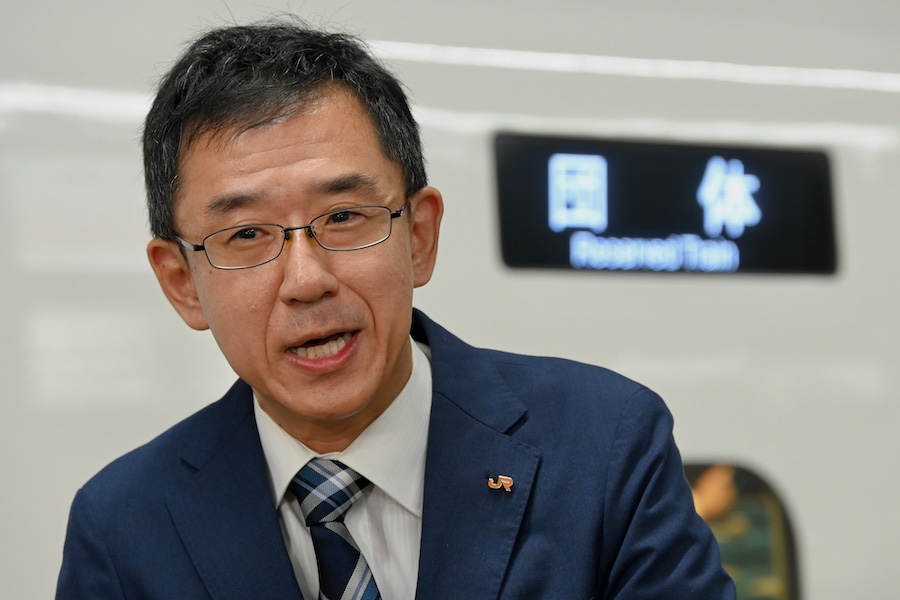
Haruhisa Ogawa, deputy general manager of the Transportation and Sales Department at JR Central’s Shinkansen Operations Division, explained the aim of the service: “Passengers can depart the Tokyo metropolitan area during the 10 p.m. hour and arrive in the Kansai region the following morning earlier than on the first train. This gives customers more time at their travel destination, and enables us to propose a new means of transportation.” He said the response, with all seats selling out within two days of going on sale, exceeded expectations, adding, “We would like to positively consider future operations, including a second service.”
Notice
This article was generated using automatic translation by GPT-4 API. The translation may not be accurate.